Football Speaks Everywhere: The Social Power of Knowing the Game
You can be sitting across from someone who shares


You can be sitting across from someone who shares none of your language, culture, or history, and the moment one of you mentions a club name or a weekend result, something shifts. The tension dissolves. There's material. Football does this better than anything else on earth, not because the sport is simple, but because it's universal in a very specific way. The fans who get the most out of it socially aren't just supporters — they're fluent. They carry current knowledge: who's in form, what's coming up, what the smart money says about Saturday's fixture. That knowledge is what turns a greeting into a real conversation.
Where Strangers Meet and Football Does the Work
The Lucky Crush Team writes regularly about the spaces where strangers encounter one another online, and the football-as-icebreaker dynamic shows up with particular clarity in random video chat environments. Internet-connected platforms have expanded the pool of strangers any fan can reach in ways that geography previously made impossible, and those meetings carry no prior context at all — no mutual friends, no shared feed, no common frame of reference except whatever both people happen to carry into the room.
“What we see in those spontaneous encounters is that fans who arrive knowing a team's recent run of results, their next few fixtures, and having a genuine opinion about how a match might go are never without a way in. The category of other Bazoocam alternatives — platforms where you're dropped live into conversation with a stranger from anywhere — is exactly where that knowledge becomes an immediate social asset. A fan who can open with "did you see what happened to Dortmund midweek?" isn't guessing. They're offering something real.”
The observation isn't that football fills awkward silence. It's that current, specific football knowledge functions as a ready-made opening move — one that works across languages and borders in a way that almost nothing else does.
One Rulebook, Understood Everywhere
Part of why this works is structural. Football is the world's most widely played team sport, with more registered players and active followers than any other, and the same 17 Laws of the Game apply identically from a Sunday-morning amateur pitch to a World Cup final. Nothing changes between those two extremes. The structure of the game, the infractions, the shape of the contest — it's all the same grammar.
FIFA has more member associations than the United Nations has member states, which makes football's governing structure the most geographically inclusive in sport. The practical consequence of that reach is that fans from countries with almost nothing in common have grown up playing and watching an identical game. When two of them meet, there's no translation required for the basic terms of reference. The shared grammar is already there.
A Calendar With No Real Off-Season
Most sports have a dead period. Football doesn't, not really. The global fixture calendar runs almost continuously, with domestic leagues overlapping international competitions in a way that ensures fans always have live, current events to discuss regardless of the time of year. When one major league breaks, another is at a critical stage. When club football pauses, international windows fill the gap.
The global broadcast reach of top-tier European and South American leagues compounds this. Fans across different continents follow the same clubs, the same managers, the same players — so when a supporter from Lagos and one from Jakarta land in the same conversation, they may well be tracking the same storylines. The World Cup stands as the single most-watched sporting event on earth, which means the peaks of the football calendar are shared reference points for billions of people at once. But the everyday fixture list keeps the conversation running between those peaks.
Shared Allegiance as a Shortcut to Trust
Social psychology is consistent on this point: discovering a shared interest with a stranger reduces social anxiety and accelerates trust. You don't need a study citation to recognise it — you've probably felt it yourself. The mechanism is well understood. Shared interest signals similarity, and similarity is one of the fastest routes to rapport between people who have no other basis for connection.
Sporting allegiance takes this a step further. The bonding that forms around supporting the same club, or even around caring about the same competition, is recognised as a rapid pathway to a sense of community, even between people who have never met. Pubs and stadium terraces have been engineered around exactly this dynamic for generations. Those spaces were built on the premise that a stranger beside you at the bar becomes a temporary ally the moment you're watching the same match. No introduction needed. Shared allegiance substitutes for prior acquaintance. The same dynamic plays out in digital spaces now, with the same immediacy.
Prediction as the Most Social Thing You Can Do With Football Knowledge
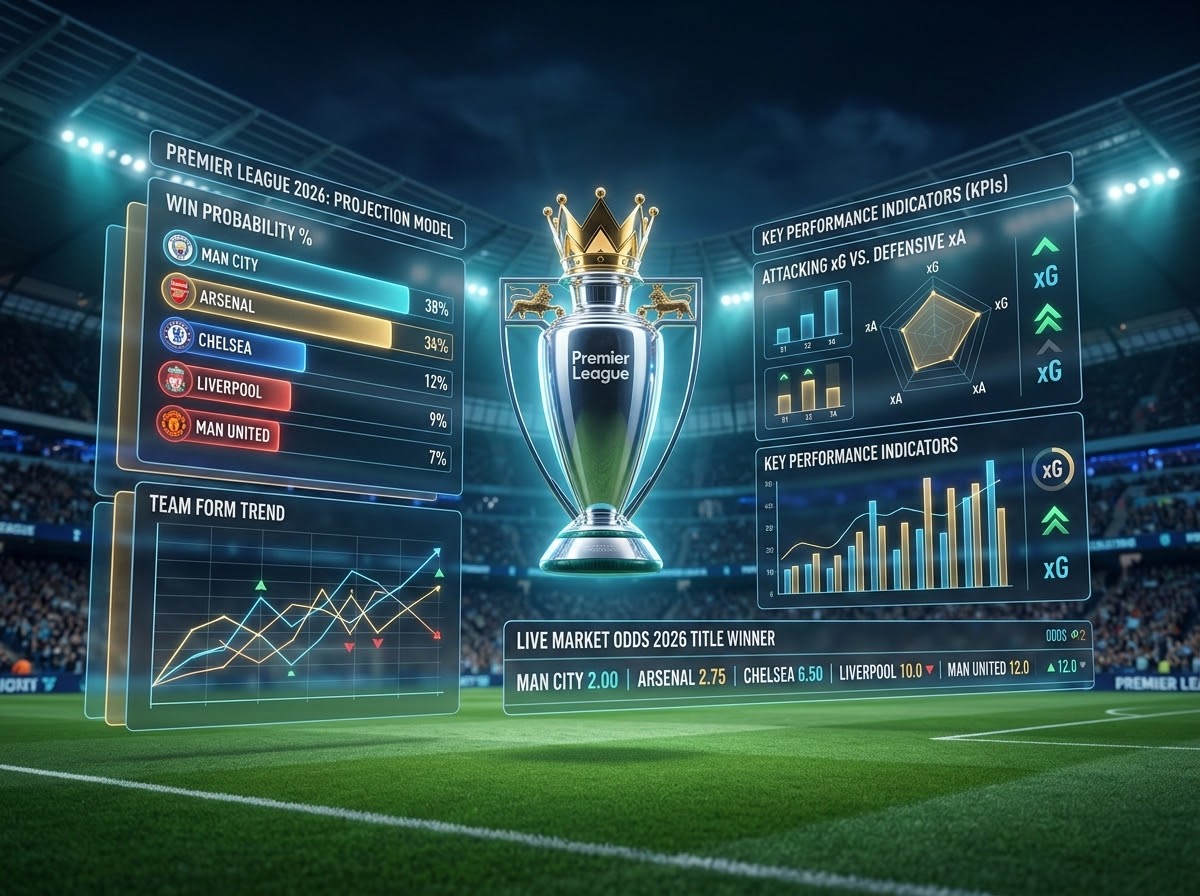
Knowing results is one thing. Having a view about what happens next is something else entirely. Prediction and debate about upcoming matches are participatory in a way that passive knowledge isn't — they're an invitation. When you tell someone you think a team is due a bad result after their recent fixtures, or that the form table suggests an upset this weekend, you're not delivering information. You're opening a negotiation.
This is the layer of football knowledge that pulls even casual fans into the conversation. You don't need encyclopedic recall of the past decade to argue about who's going to win on Saturday. You just need to be paying attention. And because the fixture calendar is always current, there's always something to argue about. The analytical fan — the one who follows form, checks the upcoming schedule, and holds confident views about likely outcomes — never runs out of material. In a conversation with a stranger from anywhere in the world, that's not a niche advantage. It's the whole point.