A Club Is More Than Its Crest: Exploring the Places Behind Premier League Football
The first thing you notice around many English foo


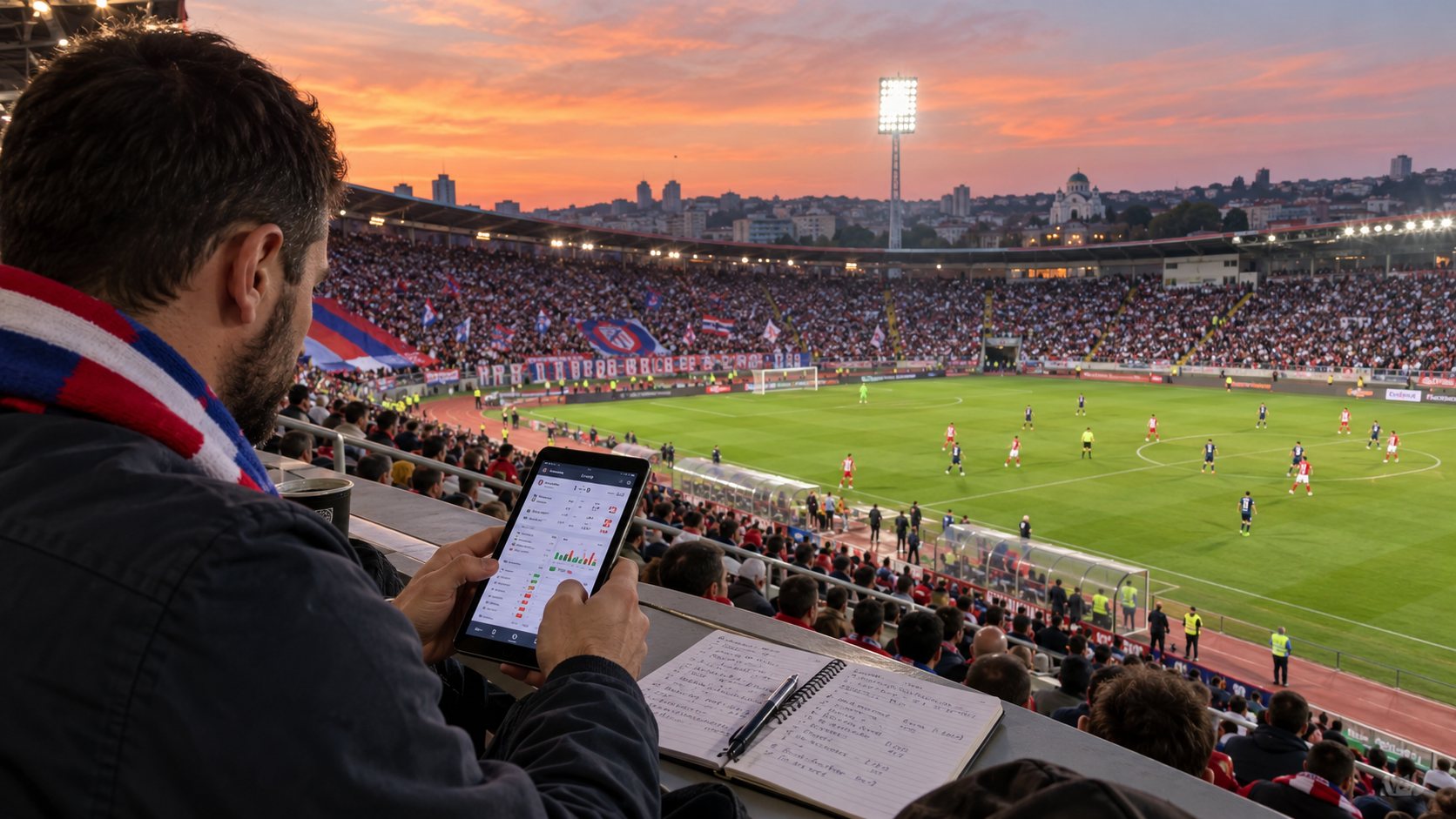
The first thing you notice around many English football grounds is that the stadium is only part of it. There are pubs already busy three hours before kick-off, cafés doing far more business than they would on a normal Saturday and residential streets full of people walking in the same direction. Someone is selling scarves from a folding table. Another person is trying to park in a space that probably should not be a parking space. None of this appears on the league table, but it tells you quite a lot about the club. That can be difficult to appreciate if your relationship with Premier League football started on television. From abroad, Manchester United, Liverpool, Arsenal and Newcastle arrive through the same screen, with the same television graphics and the same league anthem. On the ground, they do not feel remotely the same. Liverpool is an obvious example. Anfield sits in a residential part of the city rather than inside some detached entertainment complex. The walk towards the stadium passes houses, takeaways, pubs and businesses that have spent years living with matchday traffic outside their doors. Everton has always shared the city but carried its own geography and habits. Even after moving away from Goodison Park, generations of supporters still have memories attached to the old route, the old pubs and streets around the ground. Manchester has a completely different layout. Old Trafford is outside the city centre in Trafford, while Manchester City's stadium sits to the east. A visitor can spend a weekend watching football in both places and come away with two quite different impressions of what “Manchester football” means. That background can be useful for somebody choosing a club without having a family connection to one already. The Sports Geek's guide to choosing a Premier League club looks across the 2026–27 teams and the different histories behind them. Looking beyond trophies is worthwhile because today's strongest side may not be what keeps somebody interested ten years later.
London is where the idea of one football culture falls apart
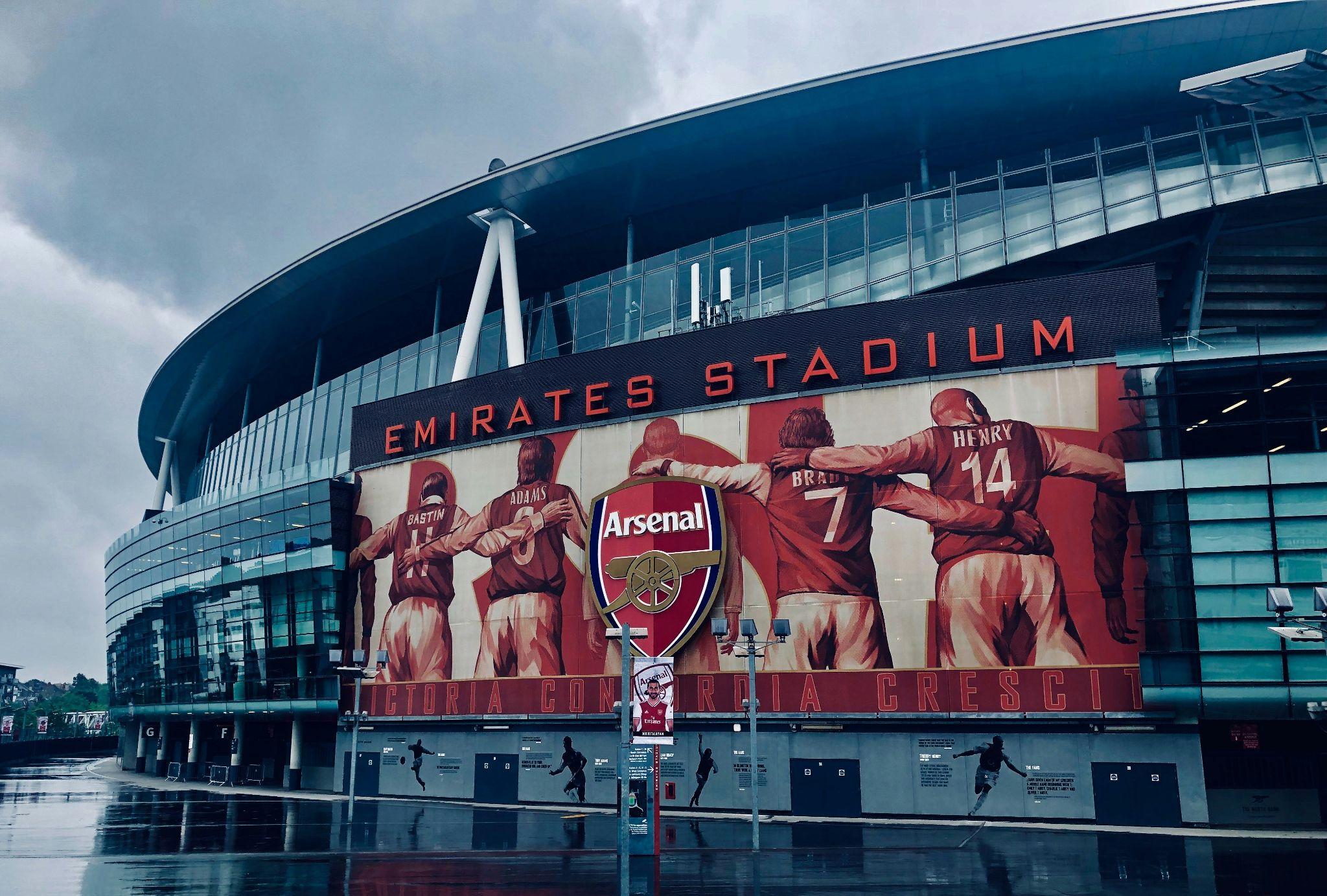
London clubs make the differences easier to see because they are packed into one city without sharing one identity. Fulham has Craven Cottage beside the Thames. Tottenham's stadium rises above a very different part of north London. Crystal Palace feels unmistakably south London, while Arsenal has spent more than a century building its connection with the north of the city after originally beginning south of the river. The distances are not enormous, yet supporters can have completely different matchday routines. That is something television rarely captures. Coverage normally begins inside the stadium, perhaps with a few exterior shots beforehand. The people attending the match have already been living the day for hours. They have taken the same train they usually take, met in the same pub and walked down the same road. Somebody going for the first time is following thousands of people who barely need to think about where they are going.
Some clubs are difficult to separate from the city
Newcastle offers perhaps the clearest version of this. St James' Park sits right above the centre rather than being pushed towards the edge of town. You can be shopping or having lunch and suddenly find yourself looking up at the stadium. On matchday, that makes Newcastle United difficult to treat as something happening somewhere else. Smaller football cities can have a similar effect. The club appears in conversations, shop windows and pubs long before you get anywhere near the turnstiles. For an international supporter, discovering all of this usually happens slowly. First you learn the players. Then the old players. Eventually you know why a particular pub gets mentioned, why supporters dislike a particular rival or why an ordinary-looking road appears in so many matchday photographs. At that point, the badge has picked up a place behind it. And that place is usually much harder to transfer than any player.