European Football's Expanded Competitions Are Affecting Domestic League Performance
European football clubs are playing more matches t

European football clubs are playing more matches than ever under UEFA's expanded competition formats, raising questions about how continental commitments affect domestic results. The Champions League's new 36-team league phase has increased the minimum number of matches from six to eight, while the Europa League has adopted a similar structure. Clubs must now manage longer European schedules alongside national championships and domestic cups.
The consequences extend beyond player fatigue. Squad rotation, financial differences and changing match preparation are influencing how teams compete across multiple tournaments. However, research does not consistently show that additional European fixtures lead to poorer domestic results. The relationship depends heavily on squad depth, recovery periods, and how clubs distribute their resources throughout the season.
Expanded Formats Are Changing Football Performance Analysis
The Champions League's transition from eight groups of four teams to a 36-team league phase has changed how football performance is measured. Each participant now faces eight different opponents, making historical comparisons with the previous six-match group stage less reliable. Analysts must account for different opposition strengths, match sequences, and qualification requirements.
These changes extend into domestic competitions across Europe. Clubs participating in continental tournaments face different recovery periods and rotation patterns, affecting the statistical models used to assess national league performances. Predictive platforms must adjust historical baselines, incorporate additional scheduling variables, and reconsider how European commitments influence match probabilities.
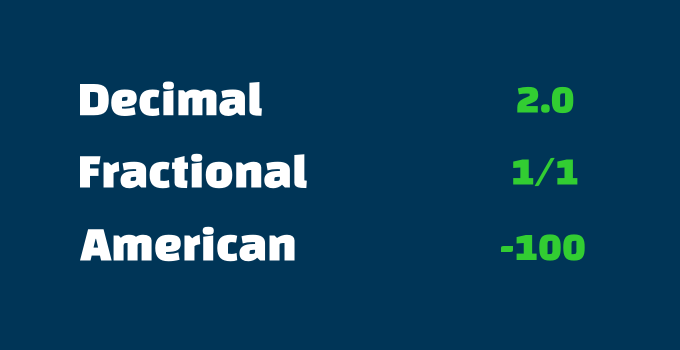
The same adjustments apply to bookmakers covering international and domestic football. Sports gambling markets increasingly depend on updated performance data, particularly when fixture congestion changes expected team selections. This is visible on bookmaker without cruks sites, where broader football market offerings can cover European competitions alongside domestic leagues from multiple countries.
Their betting markets require updated odds calculations that reflect changing schedules, squad availability, and recent results. Expanded competitions therefore influence both professional football analytics and the statistical systems supporting international sports gambling markets.
Fixture Congestion Is Increasing Pressure on Squad Rotation
The expanded Champions League and Europa League formats guarantee eight league-phase matches, while the Conference League maintains six. Clubs progressing through additional knockout rounds face further commitments, potentially extending their European schedules well beyond previous expectations.
For Premier League clubs, these fixtures must fit around a 38-match domestic season, national cup competitions and international breaks. Teams competing on several fronts can consequently face repeated midweek matches followed by weekend league fixtures.
Managers increasingly respond through planned rotation rather than waiting for injuries or significant performance declines. European participants have been observed making approximately 2.5 player changes per match, compared with around 1.9 among clubs without European commitments.
These decisions affect several areas of domestic performance:
- Starting lineups: Regular changes can disrupt established partnerships and tactical consistency.
- Recovery periods: Shorter intervals reduce opportunities for full physical recovery.
- Training schedules: Match preparation increasingly replaces longer tactical training sessions.
- Squad availability: Minor injuries and accumulated fatigue can influence selection decisions.
However, rotation does not automatically produce weaker results. Clubs with sufficient squad depth can distribute playing time without substantially reducing their competitive standards.
Domestic League Results Show a More Complicated Pattern
The relationship between European participation and domestic league performance is less straightforward than fixture schedules suggest. Additional matches increase physical demands, but their statistical effect on league results varies considerably between clubs.
Long-term research examining approximately two decades of European football has found limited evidence that midweek continental fixtures consistently reduce domestic performance among leading clubs. Travel demands and shorter recovery periods do not necessarily translate into significant declines in points per match.
UEFA analyses have similarly indicated that the negative effects of short turnarounds can be small or statistically insignificant when assessed across broader samples. However, these findings do not mean every participating club faces identical conditions. Wealthier teams generally maintain larger squads and have greater flexibility when replacing regular starters.
Mid-table clubs qualifying for European competitions may face greater difficulties maintaining domestic consistency, particularly when injuries reduce their available options.
This distinction matters when interpreting league standings. A club dropping several positions during a European campaign may be affected by fixture congestion, but transfers, tactical changes and the strength of domestic opponents can also contribute to that decline.
Financial Differences Are Creating Unequal Competitive Conditions
Expanded European competitions offer participating clubs additional opportunities to earn revenue through broadcasting distributions, performance payments and matchday income. These financial benefits can help teams strengthen their squads and manage the increased demands of competing across several tournaments.
However, the distribution of European revenue also raises concerns about competitive balance within domestic leagues. Clubs regularly qualifying for UEFA competitions receive financial advantages that domestic-only opponents cannot access through their national championships alone.
Crystal Palace chairman Steve Parish has been among the club executives questioning how expanded European schedules affect the wider football structure.
The concern extends beyond the number of matches. Teams with substantial financial resources can maintain competitive lineups across different competitions, while smaller clubs may struggle to replace injured or fatigued starters. Repeated European qualification can reinforce this difference. Additional income supports squad investment, which improves the capacity to compete internationally and qualify again.
For domestic leagues, the long-term issue is therefore not simply fixture congestion. It is the possibility that European expansion strengthens established clubs financially while increasing the demands placed on less wealthy participants.
Domestic Cup Competitions Face Growing Scheduling Challenges
National cup tournaments are another part of European football affected by UEFA's expanded calendar. Competitions such as England's FA Cup and EFL Cup must accommodate clubs already committed to domestic league matches and continental fixtures.
The increased number of European matchweeks reduces scheduling flexibility, particularly during periods when postponed fixtures need rearranging. Clubs progressing deep into several tournaments can face difficult decisions about which matches receive their strongest available lineups.
These pressures have consequences beyond individual team selection. Domestic cup organizers depend on competitive fixtures, television audiences and the participation of prominent clubs to maintain commercial value.
When leading teams rotate heavily, the competitive character of certain cup matches can change. However, rotation also creates opportunities for reserve players and allows smaller clubs to face less established opposition. The broader challenge involves preserving domestic competitions while accommodating UEFA's expanded formats.