Why the Premier League Is International Football’s Most Unpredictable League
The Premier League is well-known for its competiti

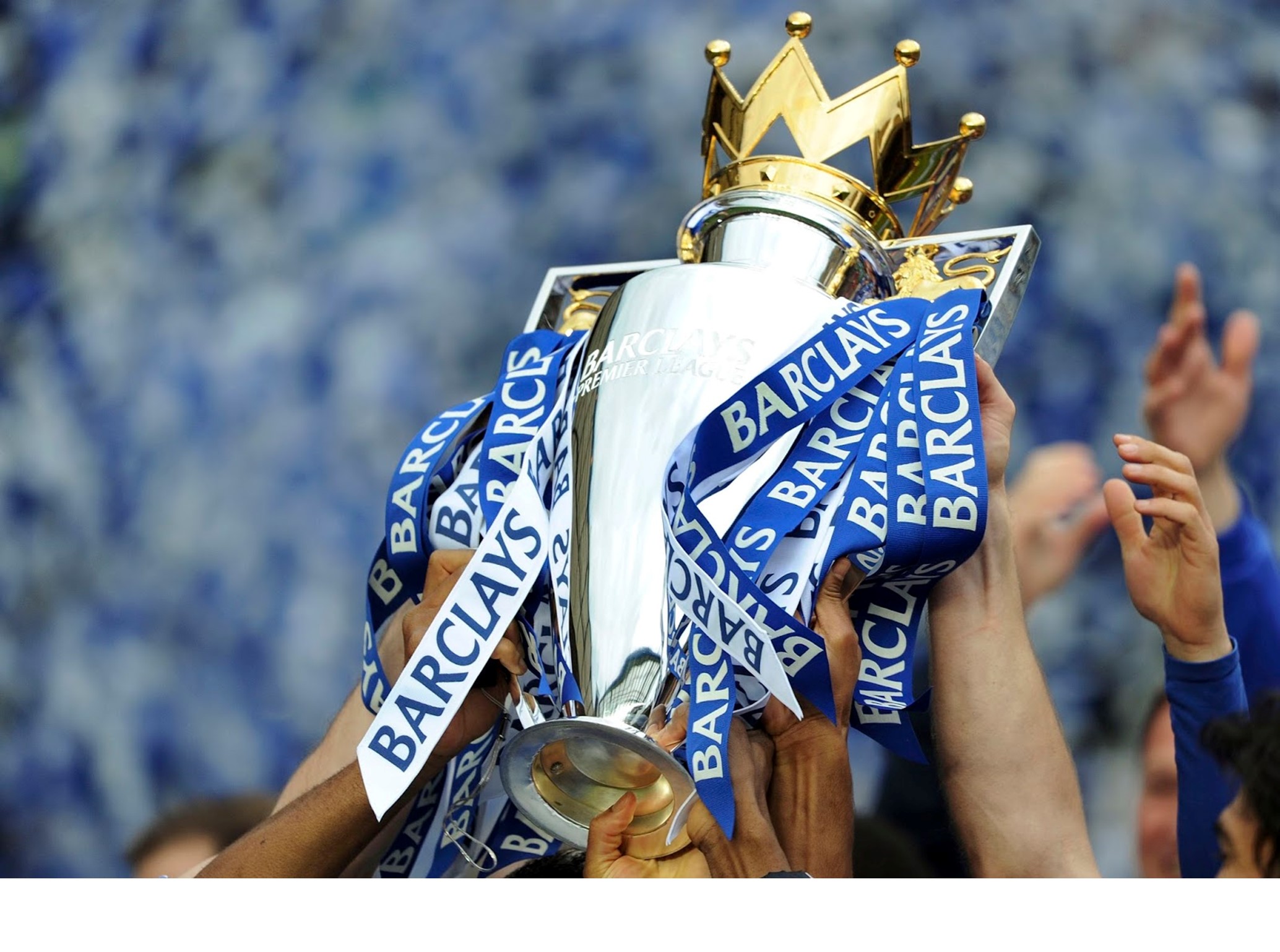
The Premier League is well-known for its competitive and volatile nature. The 20 teams play 38 matches throughout the League’s season to narrow down the best contestants. Final match day determines the league champion for that season.
You can log on to NetBet to evaluate odds for upcoming Premier League fixtures. Many different teams historically climb to the top within the Premier League year after year. Other European leagues feature the same 1 to 3 teams that dominate the entire season. Expect the unexpected with surprises and last-minute game turnarounds when spectating Premier League matches. Hence, keep an eye on odds for crowd favorites and underdogs to be prepared for anything to happen.
The Depth Of Quality Across the League
Various European competitions worldwide reveal the financial gap between elite and smaller sports clubs. Television revenue is distributed more evenly among the Premier League teams than among smaller sports clubs affiliated with other leagues. Low-table clubs can afford talented international players and experienced managers.
However, there may only be a few “easy games” for these sports clubs during the season because their talent is spread far and few between compared to the higher-quality players and managers on Premier League teams.
English Football’s Intensity
The Premier League’s games are intense because of fast-paced play, physicality, and a relentless fight to the finish. The consistently demanding schedule encourages players to work hard while staying at peace during the season.
Professionals must balance continuous training with rest for fast turnarounds for game attendance. They must deliver the same energy to every game no matter their opponent. A team fighting relegation will match a title challenger team’s energy because they must give it all they have to elevate to the next tournament portion.
Normal play periods allow professionals to rest for 5 to 7 days before the next fixture. Busier periods may allow players to rest for 2 to 4 days.
For example, a team could play a league game on a Saturday, a European match on Tuesday, and another league match the following Saturday. This allows only 2 to 3 days of rest in between fixtures.
Tactical Variety Creates Uncertainty
Managers lead Premier League teams differently. Such diversity lends to the League's unpredictability because coaches hold varying tactical philosophies for playing strategically. Some teams prioritize possession and pressing to one-up their opponents. Other clubs prefer defensive organization and strategic counterattacks.
Preparation and adaptability are just as important as the talented professionals leading the team when facing off against opponents with different tactical gameplay styles.
Mid-Table Clubs Are More Competitive
Teams slightly below the “Big Six” are the Premier League’s mid-table clubs. They regularly challenge for European qualification and domestic trophies.
- Brighton & Hove Albion
- Aston Villa
- Newcastle United
These are clubs that regularly show smart recruitment and strong management to differentiate and close the gap with traditional powerhouses. These tactics reveal careful attention to detail that can change who is at the top of the Premier League every season.
A Demanding Schedule Tests Every Role
Premier League clubs must balance general matches with League Cup competitions and European tournaments. Squad rotations help players rest in between fixtures. However, injuries could happen where key players are needed more beyond the usual squad rotation.
Player fatigue can influence performance results, especially during the busiest winter games period.
Fan Atmosphere Contributes To the Premier League’s Unpredictability
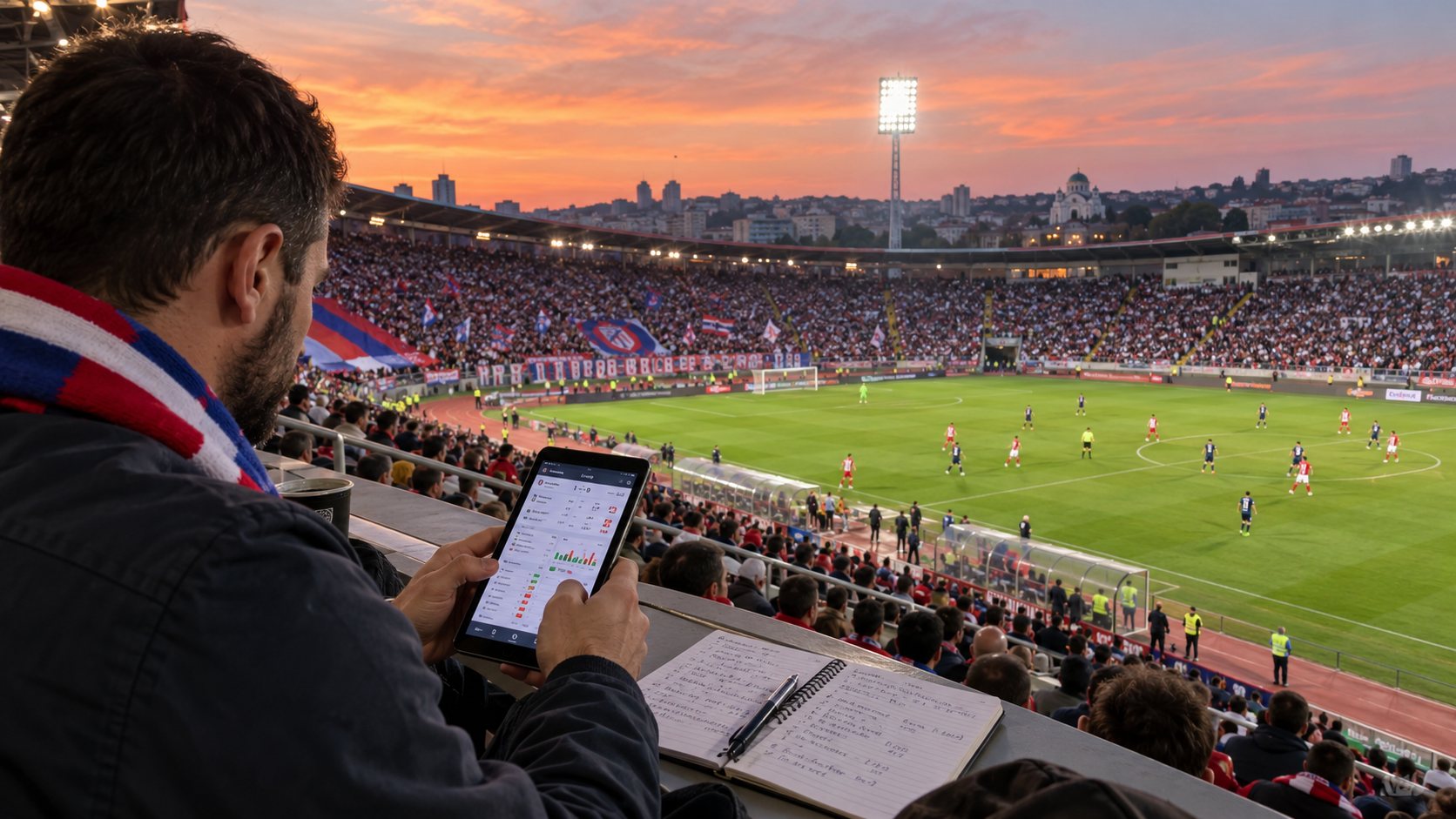
English stadiums bestow intensity and passion, creating a supportive fan atmosphere to encourage teams to power through fixtures. Home crowds dramatically influence team momentum. Smaller clubs playing at home cause more difficulty for the away team because of their hometown’s emotional support.