Cristiano Ronaldo Shows Tools for Greatness Often Turn Against Their Holders
Cristiano Ronaldo remains one of soccer's greatest

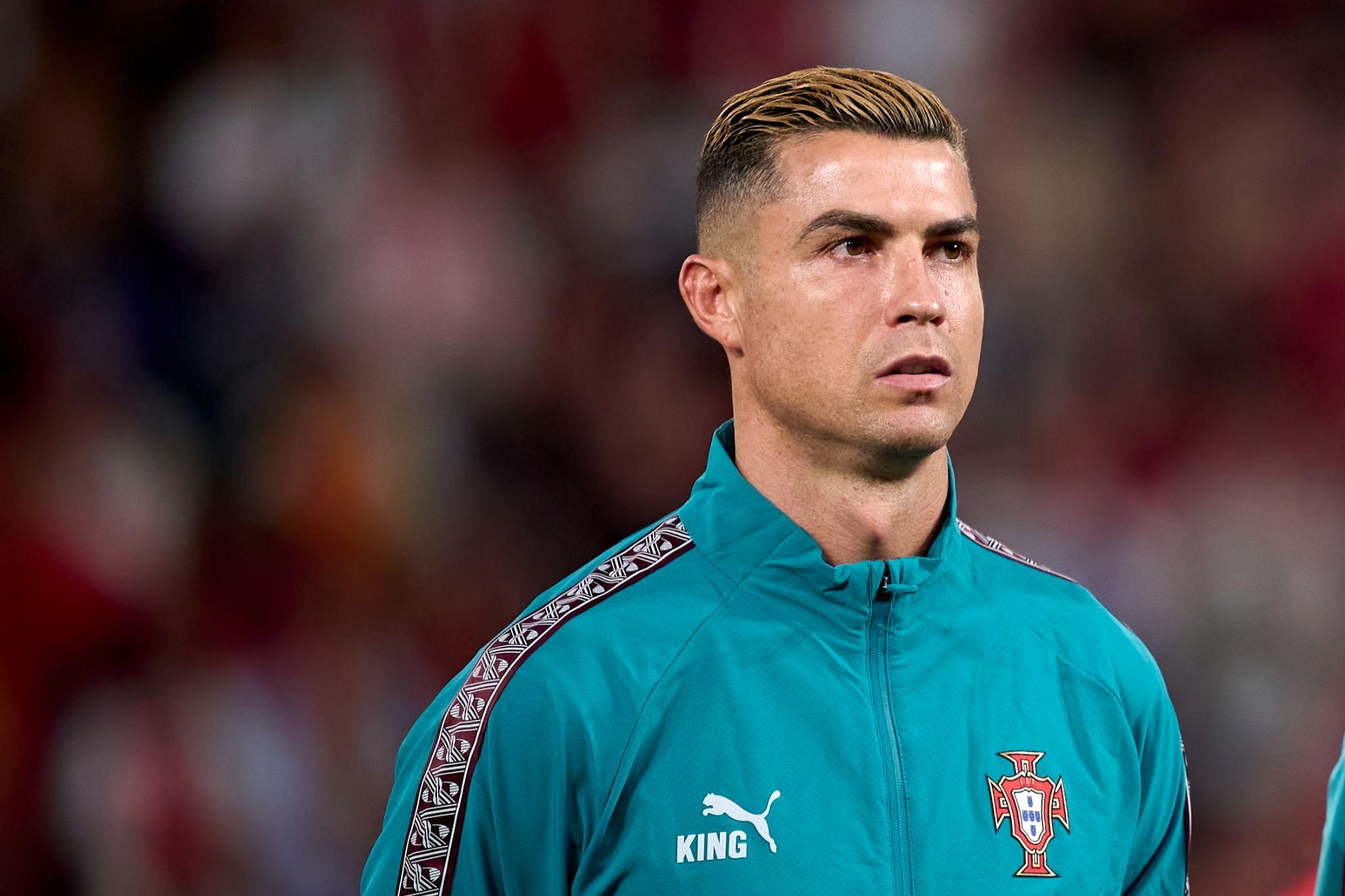
Cristiano Ronaldo remains one of soccer's greatest competitors, but his career also reveals greatness can create difficult endings. His relentless standards built an extraordinary legacy, yet those same qualities can make fading relevance harder to accept.
That tension is not unique to Cristiano Ronaldo, either. Across elite sport, some of the most successful athletes appear ill-equipped to handle the loss of status and influence that can accompany the end of their playing careers. Their obsession with winning can become an inability to accept diminished relevance. Their confidence can become stubbornness. Their extraordinary standards can make an ordinary post-playing career feel like an unacceptable step backwards.
Online sports betting enthusiasts on platforms such as Easybet will be all too familiar with this pattern.
Ronaldo and the Relentless Pursuit of Excellence
Ronaldo's career has been defined by extraordinary self-belief. He has spent decades demanding more from himself than most athletes could sustain. That mentality helped transform him from a gifted winger into one of the most prolific goalscorers in soccer history. However, the same mentality can make it difficult to accept that time eventually defeats everyone.
For Ronaldo, physical excellence became central to his identity. His conditioning helped extend his career long after many players from his generation had retired. He repeatedly adapted his game as his pace declined. Yet every adaptation also carried a difficult message. The player was changing because the athlete he once was could no longer remain unchanged.
That reality is especially uncomfortable for athletes who have spent their careers defeating limitations. Ronaldo built his reputation by refusing to accept conventional boundaries. He maintained exceptional standards for training, recovery and preparation. Consequently, accepting decline can feel almost incompatible with the mindset that produced his greatest achievements.
His longevity has therefore become both an achievement and a challenge. Every additional season adds another chapter to an extraordinary career. At the same time, each season creates more opportunities for supporters and critics to compare the present Ronaldo with his peak. That comparison is inherently difficult because ageing is unavoidable, even for the most disciplined athlete.
Tom Brady Faced a Similar Problem
Tom Brady provides another powerful example of this phenomenon. The American football quarterback built his career around preparation, discipline and an almost obsessive commitment to winning. Those qualities helped him remain competitive far beyond the age when most quarterbacks had retired.
Brady's greatness was partly rooted in his refusal to accept that age should determine his limits. He repeatedly proved conventional expectations wrong. Even when his physical abilities inevitably changed, his preparation and competitive intelligence allowed him to remain effective. Eventually, however, the same competitive instincts that kept him going could also make retirement more complicated.
His first retirement and subsequent return illustrated that tension. Brady had already achieved almost everything possible. Nevertheless, walking away required him to accept something his entire career had taught him to resist. The athlete who built his identity around finding another solution suddenly had to accept that there might be no better solution left.
That is one of sport's cruelest paradoxes. Success teaches elite athletes that problems can be solved through greater effort, better preparation and stronger determination. Age is different because it cannot ultimately be negotiated with. An athlete can train harder, recover better and change tactics, but none of those measures can permanently stop physical decline.
John Terry and the Search for a New Role
John Terry illustrates the same broader problem from a different angle. The former England and Chelsea (1.68) captain built his reputation around authority, competitiveness and leadership. Those qualities made him one of the defining defenders of his generation.
Terry's challenge after retirement was not simply about accepting that his playing career had ended. It was also about what came afterwards. Like many elite players, he had built an identity around being an important figure within the game. The expectation of moving into coaching offered a natural continuation of that influence.
However, the coaching opportunities Terry expected did not arrive in the way he might have anticipated. That created a different version of the same problem faced by other legendary athletes. The qualities that had made Terry accustomed to responsibility and recognition did not necessarily translate into immediate authority in his post-playing career.
His subsequent pursuit of coaching opportunities highlighted how difficult that transition can be. A player who had spent years commanding dressing rooms and leading teams could suddenly find himself outside the professional structures he had once occupied. That is a significant adjustment for anyone, particularly someone whose entire adult life had been built around elite sport.
Terry's example therefore fits the larger argument without requiring a comparison with his declining performances. His difficulty was more closely connected to relevance after playing. The question was no longer whether he could defend at the highest level, but whether the football establishment would give him the next role he expected.
The Same Pattern Appears Across Sport
Similar examples exist throughout elite sport. Michael Jordan famously struggled to stay away from competition after his first retirement. Roger Federer extended his career through extraordinary professionalism and tactical adaptation. Serena Williams continued competing at the highest level while repeatedly confronting the demands of longevity.
In each case, the relevant issue is not necessarily a lack of self-awareness. Rather, elite athletes develop psychological habits that are extraordinarily useful during competition. They learn to reject doubt. They learn to believe that another improvement is possible. They learn to treat obstacles as challenges rather than reasons to stop.
Those habits can become difficult to switch off. A normal person might see declining relevance as a natural signal to move on. An elite competitor may interpret it as evidence that more work is required. Consequently, the mentality that created greatness can become an obstacle when circumstances demand acceptance instead of resistance.
This is particularly important because professional athletes spend most of their careers being rewarded for competitiveness. Winning reinforces their habits. Selection reinforces their identity. Supporters celebrate their refusal to surrender. Coaches often praise players for continuing when others would stop. Eventually, however, the same environment can make the transition away from elite competition extremely difficult.
When Confidence Becomes a Burden
Confidence is another quality that can turn against an ageing champion. Great athletes usually need enormous belief in their abilities. Without it, they might never have survived the pressure required to reach the highest level.
However, confidence becomes problematic when it prevents honest acceptance of changed circumstances. A player may believe that another comeback is possible because comebacks have defined their career. Another athlete may expect an influential coaching position because leadership was central to their playing identity.
Ronaldo's situation is particularly fascinating because his career has been built around constant reinvention. He successfully moved from winger to goalscoring forward. He changed aspects of his physical preparation. He adapted to different leagues and tactical environments. Therefore, expecting him to simply accept decline would run against the competitive philosophy that made him exceptional.
Yet reinvention has limits. Eventually, every athlete reaches a point where adaptation cannot completely compensate for physical deterioration. That does not erase previous achievements. It simply changes what the athlete can reasonably expect from the next stage of their career.
Why Great Athletes Struggle With Irrelevance
Another factor is relevance. Elite athletes become accustomed to attention from supporters, journalists and opponents. Their performances can dominate conversations for years. Retirement means surrendering much of that immediate relevance.
For someone like Ronaldo, that transition is particularly difficult to imagine. He has been a global sporting figure for most of his adult life. His performances have generated enormous commercial and cultural attention. Even discussions about his decline can therefore keep him at the centre of public debate.
Terry's situation demonstrates that relevance does not necessarily mean continuing to play. It can also mean remaining part of the professional game. Coaching represents one obvious route for a former star to maintain influence. When that route does not materialise quickly, the gap between past status and present circumstances can become uncomfortable.
That dynamic can affect athletes in less visible ways. A former champion may struggle with life after sport because competition provided structure, purpose and status. Without matches, training and targets, the habits that once created discipline may suddenly have nowhere to go.
The Difficulty of Choosing the Next Chapter
There is no perfect formula for transitioning out of professional sport. Some athletes leave while they remain highly competitive. Others continue until their bodies or performances force the decision. Some immediately move into coaching or broadcasting, while others struggle to establish a new professional identity.
Nevertheless, the most difficult transitions often involve athletes whose identities are built around control. They spent their careers controlling preparation, fitness and performance. The post-playing world introduces an uncontrollable element because opportunities are no longer determined solely by sporting ability.
Ronaldo's career makes that dilemma especially visible. His commitment to maintaining his body helped him achieve remarkable longevity. His competitive personality pushed him through difficult periods. Those same qualities, however, can make accepting a reduced version of himself emotionally challenging.
Terry offers another side of the same issue. His playing career gave him enormous status within English soccer. After retirement, however, coaching opportunities depended on clubs and decision-makers rather than solely on Terry's own ambition. That shift from being the decision-maker on the pitch to waiting for someone else to open a door can be particularly difficult for a former captain.
Greatness Can Carry Its Own Trap
Sport often celebrates relentless competitors without considering what happens when competition ends. We admire athletes who refuse to accept limitations. We praise those who return from injury and continue chasing records. Yet eventually, every career reaches a point where persistence must be balanced against perspective.
Ronaldo is not alone in facing that challenge. Brady, Terry and countless other champions have confronted versions of the same dilemma. Their careers demonstrate how ambition, confidence and discipline can become difficult burdens once an athlete's established role disappears.
There is also an important lesson for supporters. Fans should appreciate greatness without demanding that legendary athletes remain permanently attached to their peak. No athlete can reproduce their best years indefinitely. Expecting otherwise can turn admiration into an unfair standard.
The same principle applies after retirement. A legendary player may believe their experience should naturally lead to another prominent role. Yet professional sport does not always reward reputation in that way. Coaching jobs, media positions and executive opportunities are competitive in their own right, and past greatness does not guarantee future relevance.
Ultimately, the tools that create greatness can become obstacles to accepting its conclusion. The strongest competitors are trained to fight until the final whistle. Life after sport requires something different: recognising when the fight has changed, and deciding what comes next.
For Ronaldo, that question remains particularly compelling because his career has been defined by refusing to accept ordinary limits. For Terry, the challenge illustrates how that mentality can persist beyond playing, when the battle becomes one for professional relevance rather than trophies.