Why Last Minute Goals Happen More Than You Think: The Science of Late Football Drama
Football produces more late goals than probability

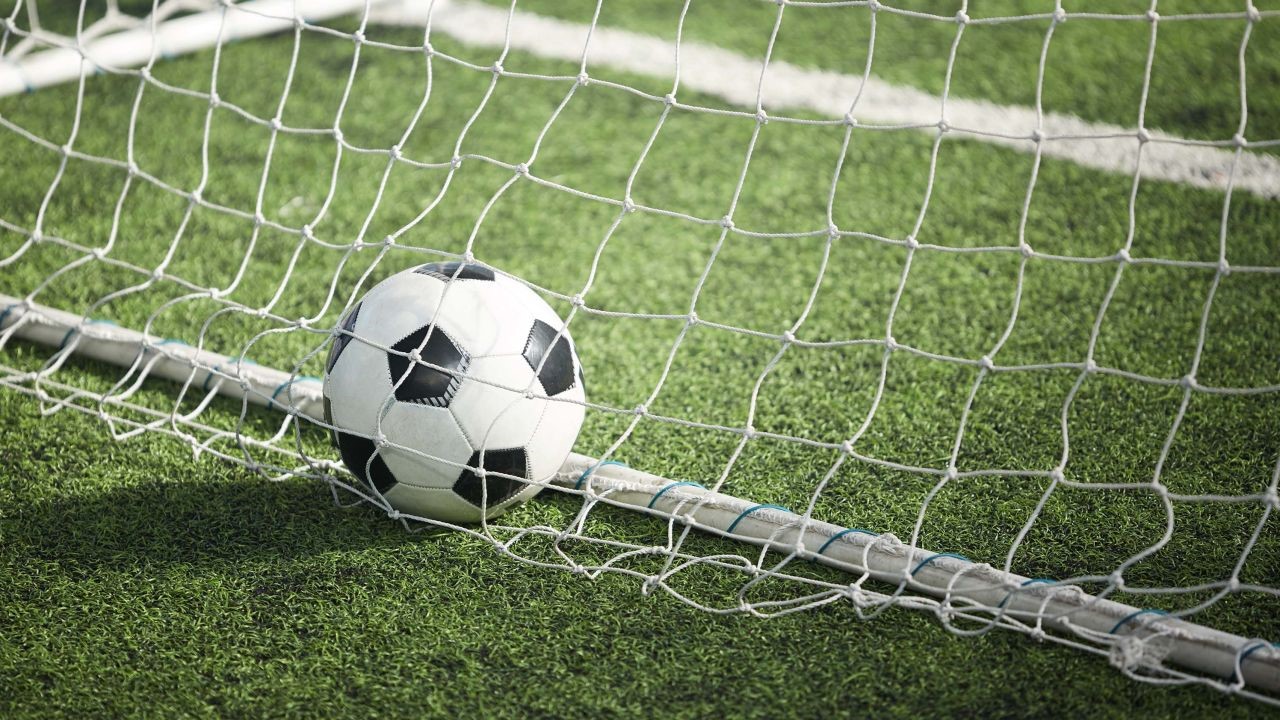
Football produces more late goals than probability alone would predict, and the reasons for this go well beyond luck. The concentration of goals in the final ten minutes and injury time of matches is one of the sport's most consistent statistical patterns, and it has fascinated analysts, coaches, and researchers for years. Understanding why it happens reveals something fundamental about how football actually works as a competitive system.
The Numbers: What the Data Shows
Statistical analysis of goal timing across major leagues consistently shows a disproportionate concentration of goals in the final fifteen minutes compared to earlier periods of equal length. The difference is not marginal. Goals scored in the 76th to 90th minute, and in added time, are significantly more frequent than a uniform distribution across ninety minutes would predict.
In the Premier League, La Liga, Bundesliga, and Serie A, the pattern holds across multiple seasons and multiple generations of data. It is not a recent phenomenon and it is not specific to a single league. The clustering of goals at the end of matches appears to be a structural feature of football rather than a coincidence.
Added time data adds another layer: goals scored in the 90th minute and beyond are heavily concentrated in games where the trailing team is pushing for an equaliser or winner. The scoreline directly predicts late-goal probability in ways that inform how the final minutes of matches are actually played out.
Physical Fatigue and Defensive Breakdown
The most obvious explanation for the increase in late goals is physical fatigue. Defenders who have been working hard for eighty minutes are less capable of the explosive movements required to close down attackers, recover positions, and maintain the concentration required for defensive organisation.
Central defenders who rely on pace to cover ground behind their defensive line are particularly vulnerable in the final stages of games. The physical quality that allows them to deal with through balls and recover from early mis-positioning diminishes with fatigue, and the probability of a defensive error increases proportionally.
Physical data from wearable GPS trackers used in professional football shows measurable declines in sprint frequency, sprint speed, and high-intensity action counts across the final fifteen minutes of matches. The body's ability to maintain elite physical output is genuinely compromised, and the goal data reflects this.
Tactical Openness and the Risk-Reward Shift
Beyond physical fatigue, the tactical context of late match situations creates structural conditions that favour goals. When a team trails with fifteen minutes remaining, they typically push more players forward and accept greater defensive risk in pursuit of an equaliser.
This shift creates what analysts sometimes call tactical openness: more space between defensive and midfield lines, more one-on-one situations at the back, and more transition opportunities for the team that is leading. The trailing team's increased attacking commitment creates the very openings that lead to late goals against them, even as they simultaneously increase their own chance of scoring.
US sports analytics communities, including those who use platforms like eth casino sites accepting US players alongside their sports analysis tools, have applied similar game theory frameworks to football's late-game dynamics that were originally developed for American football's two-minute drill situations. The parallels in risk-reward calculation are striking.
The Psychology of Pressure and Concentration Lapses
Cognitive science research on sustained attention shows that concentration is not a constant. The ability to maintain the focus required for elite defensive positioning, anticipating runs, tracking second balls, and communicating with teammates, deteriorates over time even when physical output is maintained.
This concentration fatigue is distinct from physical fatigue but equally real. A centre-back who has been mentally processing information for eighty minutes is not functioning at the same cognitive level they were in the first fifteen. The brief lapses in attention that result create the windows through which late goals are scored.
This also explains why late goals are often described by defenders as inexplicable: from their subjective perspective, they were doing exactly what they had been doing for the whole game. But the margin of error in their execution had narrowed sufficiently that a play that was comfortably managed in the first half became unmanageable in the 87th minute.
Set Pieces and Late Game Desperation
Late goals also reflect the tactical reality that trailing teams increasingly resort to set pieces as time runs out. The combination of corner kicks with all available height committed to the box, free kicks from dangerous positions won through intentional fouls, and long throws creates a different attacking profile in the final minutes from what was happening earlier in the game.
Set piece effectiveness increases when defending teams are compressed into their own box and when the height and physicality advantages of specialist set piece attackers are most concentrated. A team that has brought on a tall striker specifically for the final fifteen minutes and is flooding the box from every corner creates a genuinely different threat than they presented for the previous seventy-five minutes.
What Managers Do About It
Elite managers approach the final fifteen minutes of games as a distinct phase that requires specific tactical management. Instructions given at the 75th minute in a game where the team is leading typically focus on defensive compactness, avoiding unnecessary set pieces in dangerous areas, and managing the clock through ball retention.
The teams that concede the fewest late goals tend to be those with the best physical conditioning, the most disciplined defensive shape under pressure, and the most experienced defensive leadership. All three of these factors reduce both the physical and cognitive decline that creates late goal vulnerability.
The science behind late goals ultimately confirms what experienced football observers have always sensed: the final minutes are not just the end of the game but a qualitatively different competitive environment where the variables that determine outcomes shift significantly from those that applied for the previous eighty minutes.