How Local Wallets and Small Screens Are Rewriting the Rules of Online Betting
Ask any regular bettor in the Gulf region what kee

Ask any regular bettor in the Gulf region what keeps them coming back to a platform, and the answer rarely starts with odds or bonuses. It starts with something far more mundane: whether the deposit actually goes through in under a minute, and whether the site loads properly on a mid-range phone with patchy 4G. Payment friction and mobile performance have quietly become the real battlegrounds of online gambling, shaping habits far more than marketing budgets or flashy interfaces ever could.
This shift becomes obvious once you look at how differently users behave when a platform supports familiar, region-specific payment rails instead of forcing them through international card networks or slow bank transfers. In markets across the Middle East and North Africa, cash-based e-wallets, local bank apps, and prepaid voucher systems dominate daily transactions long before anyone thinks about betting online. Platforms that plug directly into these systems, such as Dubibet, tend to see users complete their first deposit faster and return more often, simply because the payment step feels like something they already do dozens of times a week rather than an unfamiliar hurdle.
That familiarity changes decision-making in subtle ways. A user who already trusts a wallet app for grocery payments or mobile top-ups extends that trust to whatever service accepts it, almost by association. Conversely, a checkout page demanding an international credit card, a currency conversion, and a three-day settlement window introduces hesitation at exactly the moment a bettor was ready to act. In an industry where impulse and timing matter - a match kicking off in twenty minutes, odds shifting mid-game - that hesitation is often the difference between an active user and an abandoned session.
Why the phone, not the desktop, sets the pace
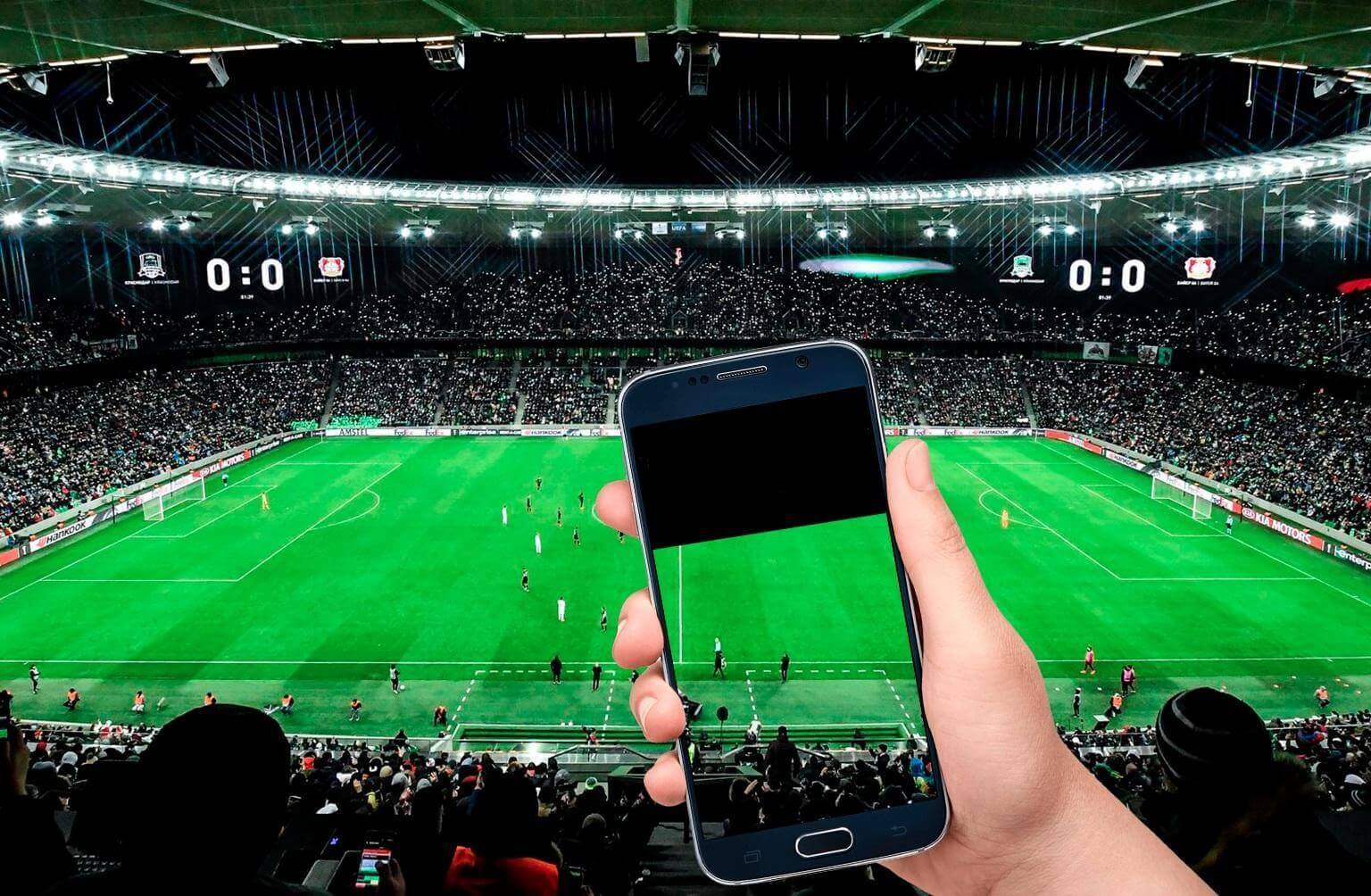
Desktop betting still exists, but it increasingly functions as a secondary channel rather than the primary one. The behavioral pattern is straightforward: people place bets during commutes, during breaks at work, or while physically watching a match on television with a second screen in hand. Mobile access isn't a convenience layered on top of the product anymore - it is the product, and everything else adapts around it.
This has practical consequences for how platforms are built and how users judge them:
- Loading speed on 3G/4G connections matters more than desktop-grade graphics.
- Touch-friendly bet slips reduce misclicks during live, fast-moving markets.
- Push notifications for odds changes or settled bets keep users engaged without requiring them to open a browser tab.
- Biometric login (fingerprint or face recognition) removes password friction that desktop users tolerate but mobile users abandon quickly.
A bettor who has to pinch-zoom to read a match list, or who loses a session because a page reloaded awkwardly on a smaller screen, doesn't file a complaint - they simply switch apps. Loyalty in this environment is earned through dozens of small, frictionless interactions rather than a single standout feature.
The hidden cost of unfamiliar checkout flows
Consider a scenario common across several regional markets: a user signs up during a promotional football weekend, gets through registration in two minutes, then reaches the deposit screen and finds only options built for European or American card systems. Even if the platform eventually supports local methods, if that option isn't front and center, the user assumes it doesn't exist.
This is where design choices intersect directly with cultural payment habits. In several Gulf and North African markets, a meaningful share of the population still prefers semi-anonymous, cash-loaded prepaid cards or wallet-to-wallet transfers over anything tied to a traditional bank account. A platform that treats these methods as equal, front-line options - not buried secondary choices - signals something beyond convenience: it signals that the product was actually built with the local user in mind, not retrofitted for them.
Behavioral shifts once friction disappears
When payment and access barriers drop, the way people bet changes in measurable ways:
- Session frequency increases, since users no longer batch their activity to avoid repeated payment hassle.
- Average bet sizes often normalize downward, as users place smaller, more frequent wagers rather than saving up for occasional larger transactions.
- Live/in-play betting activity rises, because instant deposits make reacting to real-time odds shifts practical rather than pointless.
- Withdrawal expectations tighten - users who deposit instantly expect payouts on a similar timescale, and slow withdrawal processes now stand out as the primary source of frustration.
This last point deserves attention. Instant deposit culture has quietly raised the bar for withdrawals too. A platform that takes seconds to accept money but days to release it creates a perceived imbalance that users notice immediately, even if the underlying compliance checks are standard practice.
What this means for how platforms are actually judged
Reviews, word-of-mouth, and community forum chatter in these markets rarely focus on odds competitiveness anymore - that's assumed to be roughly similar across major operators. Instead, conversations center on practical questions: Does it work with my wallet app? Does the site freeze on my phone during halftime rush? Can I actually withdraw without submitting the same document three times?
These questions reflect a broader truth about digital betting behavior in payment-diverse, mobile-first regions: the technology stack and financial infrastructure behind a platform now function as its de facto brand identity. Odds and markets are table stakes; the experience of moving money and navigating a small screen is where user loyalty is actually decided, session after session.