Football's Second Screen Has Changed What Watching a Match Actually Means
The Lustmatch editorial team has spent time thinki


The Lustmatch editorial team has spent time thinking about what makes live digital content genuinely different from everything else. The answer comes back to one thing: you can't skip it. A live match, like any truly unscripted event, carries stakes that recorded content simply can't replicate — the outcome is unknown, the moment is irreversible, and no amount of scrolling forward will tell you what happens next. That same hunger for present-moment engagement, the team notes, flows well beyond sport. Live adult video chat is one more category riding this wave, and platforms worth trying instead of Instacams are drawing the same audience impulse — the desire to be somewhere real, right now, with no script telling anyone what comes next.
Live Football Occupies a Different Part of Your Brain
There's a reason watching a recorded match never quite feels the same, even when you don't know the result. Live content creates a distinct cognitive state that on-demand viewing simply doesn't reach. Because the outcome is genuinely unknown, every moment carries weight. You can't fast-forward past the tension, can't revisit the penalty in slow motion before the rest of the stadium has processed it. The present moment is the only moment that exists.
This psychological quality is what separates live sport from almost every other form of entertainment. A 90-minute football match has natural pauses, contested calls, and momentum shifts that keep attention in a constant state of readiness. Fans aren't just watching — they're anticipating, processing, and reacting, often before commentators have finished their sentences. That heightened involvement is precisely what draws viewers toward a second device. Sitting passively with the experience starts to feel like leaving something on the table.
The Statistics Fans Track While the Match Is Still Happening
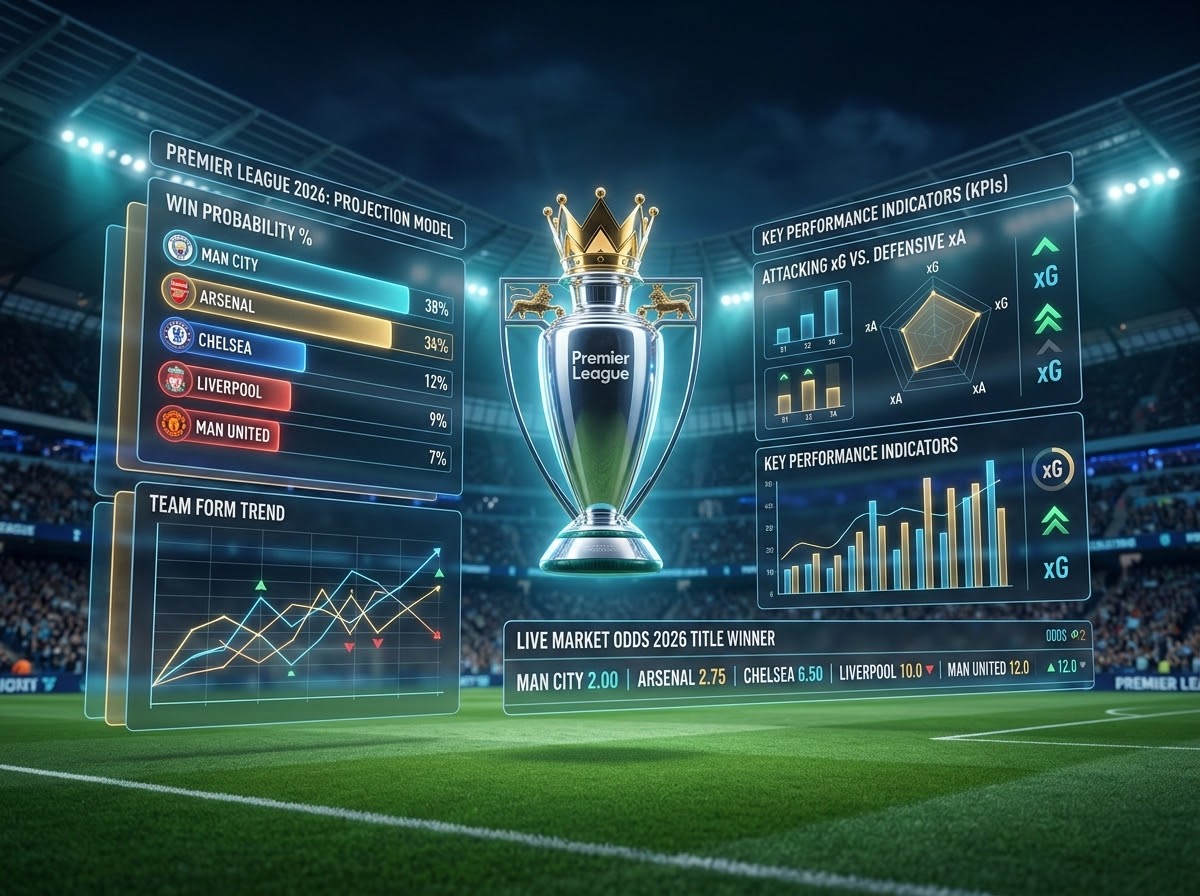
Modern football supporters follow a layer of data that didn't exist for previous generations of fans. During any live match, the figures updating in real time tell a story parallel to the one on screen: possession percentages shifting after a substitution, shots on target climbing as a team presses for an equaliser, pass completion rates exposing which side is under pressure.
Among these metrics, expected goals — known as xG — has made the most striking journey from analyst tool to mainstream conversation. The model estimates the probability that any given shot results in a goal, drawing on factors like the location of the shot, the angle to the goal, and how the chance was created. A team with a high xG but a losing scoreline is dominating chances it hasn't converted; a team with a low xG and a lead is clinging on. Fans who understand xG read a match differently. They can see things the scoreboard doesn't show.
Live score platforms add another dimension entirely. Fans following several leagues simultaneously can track results and key events across multiple fixtures, even when only one game is broadcast. An afternoon of football becomes a panoramic experience rather than a single fixed view.
Digital Reaction as a Continuation of Terrace Culture
Social media spikes sharply during live football. In the seconds after a goal, a red card, or a disputed offside call, reaction floods across platforms at a scale no other content format reliably produces. This isn't fans being distracted from the match. It's fans doing what they've always done — processing a shared experience with other people who were watching the same moment.
The communal instinct that built terrace culture, pub gatherings, and supporter forums didn't disappear when screens got smaller and more portable. It relocated. Real-time chat and live reaction threads during a match create something that closely mirrors physical attendance: everyone responding to the same event at the same instant, reinforcing a collective presence even when each person is watching alone. The conversation is happening now, and being absent from it feels like missing part of the experience.
This is the second screen's most underappreciated function. It isn't supplementing the broadcast. It's providing the crowd.
Clubs and Broadcasters Are Now Designing for Two Screens at Once
The organisations that produce and distribute football have taken note. Clubs and broadcasters have moved deliberately toward designing for second-screen engagement, building companion apps, real-time data dashboards, and interactive statistics feeds that sit alongside the television experience rather than competing with it.
The logic is straightforward. Fans who are actively engaged with live data stay more invested in the match. A supporter tracking xG and pressing statistics through a separate feed isn't half-watching — they're more attentive to the game than a passive viewer, not less. Football is among the sports most naturally suited to this dynamic: its global reach, statistical depth, and the rhythm of a 90-minute structure all invite the kind of parallel activity a second screen enables.
In-play engagement has grown in parallel, and for the same underlying reason. Both depend on real-time data and the same refusal to watch passively. The infrastructure built to serve second-screen football fans turns out to be the same infrastructure serving anyone who wants to stay actively inside a live experience rather than observe it from a distance.
Watching Passively Is No Longer the Default
Second-screen behaviour hasn't fragmented the football viewing experience. It's deepened it. Fans who follow live statistics understand the match at a level their counterparts from earlier decades couldn't access. Fans who participate in real-time conversation feel a communal connection that doesn't require them to be in the same room, or even the same country, as anyone else watching.
What has changed permanently is the default. Watching football used to mean sitting with the broadcast and receiving what it gave you. Now it means arriving with a second device, a live data feed, and a community of people processing the same moments you are. The match itself hasn't changed. What fans do with it has changed entirely.