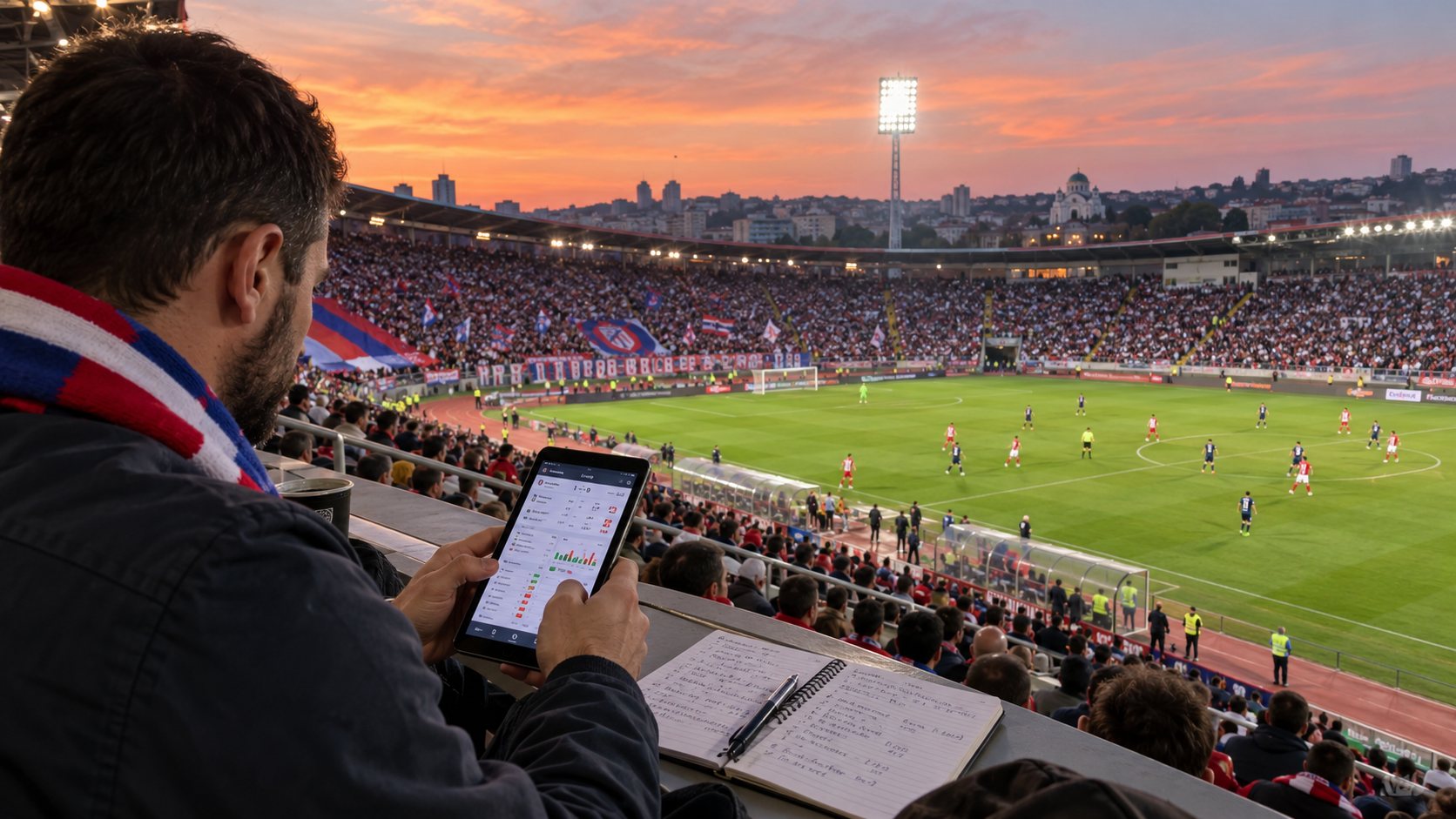
The Ever-Evolving World of Football: How Strategy, Technology, and Passion Keep the Game Alive
Few sports capture the imagination of billions qui


Introduction: The Global Power of the Beautiful Game
Few sports capture the imagination of billions quite like football. From the roaring stadiums of Europe to the sandy pitches of Southeast Asia, football is more than a pastime - it’s a culture, an identity, and a universal language. Over time, the game has evolved beyond 90 minutes on the pitch; today football blends athleticism, strategy, technology, and entertainment into a global spectacle. Fans not only watch but analyze, debate, and engage through digital experiences like fantasy leagues and prediction games. Even adjacent industries such as sports betting have adapted to this analytical era - using data and algorithms to offer real-time markets and companion features; for those who want to explore licensed platforms, you can go to 1xBet official website, and always remember to check legality, verify licensing, and use responsible-play tools.
Tactical Evolution: From Classic Formations to Fluid Systems
Football tactics have come a long way since the rigid 4-4-2 and 3-5-2 formations of the past. Modern coaches emphasize fluidity, pressing systems, and positional play. Managers like Pep Guardiola, Jürgen Klopp, and Roberto De Zerbi have reshaped the game with high-intensity pressing and dynamic ball movement. Teams now build from the back, using goalkeepers as playmakers and defenders as creators.
This strategic depth has made football more cerebral. Analysts study heat maps, passing networks, and expected goals (xG) to evaluate performance. Similarly, in parallel industries like sports analytics and regulated betting, these same metrics inform models that predict outcomes - turning raw numbers into insights.
It’s not about luck anymore. It’s about patterns, preparation, and precision - the same qualities that define modern football itself.
Technology on the Pitch: VAR, AI, and Data Revolution
Technology has quietly become one of football’s greatest influencers. The introduction of VAR (Video Assistant Referee), goal-line technology, and wearable trackers has increased fairness and transparency.
Data now drives every aspect of the game:
- Coaches use AI-based analytics to assess player fatigue and tactical efficiency.
- Scouts identify hidden talent through machine learning algorithms.
- Clubs use predictive tools to prevent injuries and manage workloads.
Even fans have access to advanced statistics once reserved for analysts. Platforms and applications allow supporters to view real-time data, understand formations, and make predictions.
This same data-centric evolution fuels other interactive sectors like sports betting, where technology ensures fairness, transparency, and responsible participation through algorithmic monitoring and compliance checks.
The Globalization of Football: A Truly Universal Game
Football’s global reach is unmatched. With over 4 billion fans worldwide, it transcends borders, languages, and cultures. The Premier League, La Liga, Serie A, and the Champions League attract international audiences, while leagues in Asia, the Middle East, and North America grow rapidly in popularity. Clubs like Manchester United, Real Madrid, and PSG have become global brands.
Social media plays a massive role in this expansion. Platforms like Instagram, X (Twitter), and TikTok allow fans to follow their favorite players’ lives in real time. For brands and sponsors, football is an unparalleled marketing ecosystem - from merchandise sales to digital engagement.
Interestingly, digital globalization has also influenced fan behavior. Many fans now engage in data-based football activities like fantasy leagues, simulations, and even prediction challenges on legitimate betting platforms - not for gambling’s sake, but for the thrill of analysis and competition.
Youth Development and the Future of Talent
The heartbeat of football’s future lies in youth academies. Countries like Spain, Germany, France, and England have invested heavily in grassroots programs that emphasize technical skill, intelligence, and discipline.
From La Masia to Ajax’s De Toekomst, the blueprint for developing talent has evolved into a science. Data analytics help academies identify potential stars earlier than ever before, while nutrition and psychology ensure holistic development.
Today’s footballers are not just athletes - they’re high-performance professionals shaped by technology, coaching precision, and global exposure.
The same analytical mindset shaping youth development is mirrored in football data communities, where performance tracking and predictive modeling blur the line between fandom and expertise.
The Rise of Women’s Football: A New Era of Equality
The past decade has been transformative for women’s football. The FIFA Women’s World Cup has broken viewership records, while leagues like the Women’s Super League (WSL) and NWSL in the United States continue to grow in prominence and profitability.
Sponsors, broadcasters, and fans have finally recognized the potential of the women’s game. Increased investment and media coverage are driving visibility and participation across all levels.
Moreover, the professionalization of women’s football includes the same digital advancements as the men’s game - tactical analytics, sports science, and fan-driven engagement.
Fans also enjoy participating in women’s football through prediction games, fantasy leagues, and sports apps - demonstrating that engagement, not just gender, defines the modern fan experience.
Football and the Business Behind the Game
Behind every matchday, there’s a complex financial ecosystem. Football clubs are no longer just teams - they’re global corporations managing billions in assets, sponsorships, and digital media rights.
Broadcasting deals with platforms like Amazon Prime, DAZN, and ESPN+ have turned football into a 24/7 digital entertainment product. The transfer market alone sees billions exchanged each year, making football both a sport and a business empire.
In a similar digital landscape, industries like sports betting have evolved to adopt strict regulatory compliance and financial transparency, mirroring the corporate governance seen in major football organizations.
Both sectors are learning that sustainability depends not on growth alone, but on trust, ethics, and innovation.
The Emotional Core: Why Football Still Matters
Despite all the data, money, and technology, football remains, at its heart, an emotional game. The collective roar of a stadium, the heartbreak of a missed penalty, the magic of an underdog victory - these moments remind us that football is about more than tactics or statistics. It’s about belonging.
That emotional unpredictability is part of what makes the sport so captivating. And while technology and analytics shape outcomes, they’ll never replace the raw human emotion that fuels the game’s soul.
Even analytical industries like sports forecasting and betting revolve around this same passion - the thrill of possibility, the shared joy of a goal, and the universal connection between fans around the world.
FAQs About Modern Football
- How has technology changed football?
Through VAR, AI analytics, and player tracking systems that enhance fairness and tactical precision. - Why is football considered the most global sport?
Because it’s played, watched, and celebrated across every continent, transcending language and culture. - How important is data in football today?
Crucial. Data informs scouting, coaching, fitness, and even fan engagement platforms. - What makes modern football different from 20 years ago?
Speed, strategy, and science - combined with an unprecedented level of global digital engagement. - Is sports betting connected to football?
Only tangentially - both share data analytics and prediction models, but regulated betting exists as a separate entertainment and analytical industry.
Conclusion: The Future of Football Is Intelligent and Inclusive
Football is evolving, but its essence remains timeless. The future belongs to a sport that balances data with drama, innovation with emotion, and global reach with local passion.
As technology continues to refine strategy, coaching, and fan experience, football will grow even more connected and inclusive.
Whether it’s an AI-assisted tactical model, a grassroots academy in Jakarta, or a global prediction league engaging millions of fans, one truth remains - football’s power lies in its ability to unite us through competition, creativity, and shared love for the game.