How Football Odds Are Actually Calculated Behind the Scenes
Football odds can look like they're plucked out of

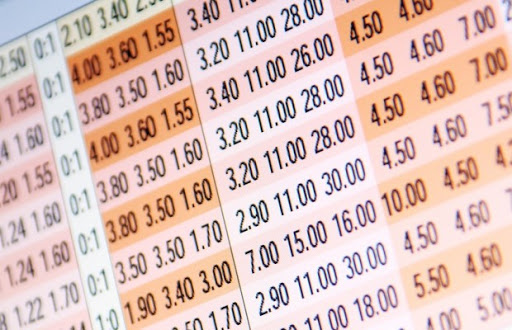
Football odds can look like they're plucked out of the air, but behind every number is a layer of statistical modelling, market behaviour, and risk management. Understanding how those figures come together makes it far easier to interpret what a price is really telling you about a match, rather than treating it as a simple prediction of the outcome.
Starting with a Statistical Model
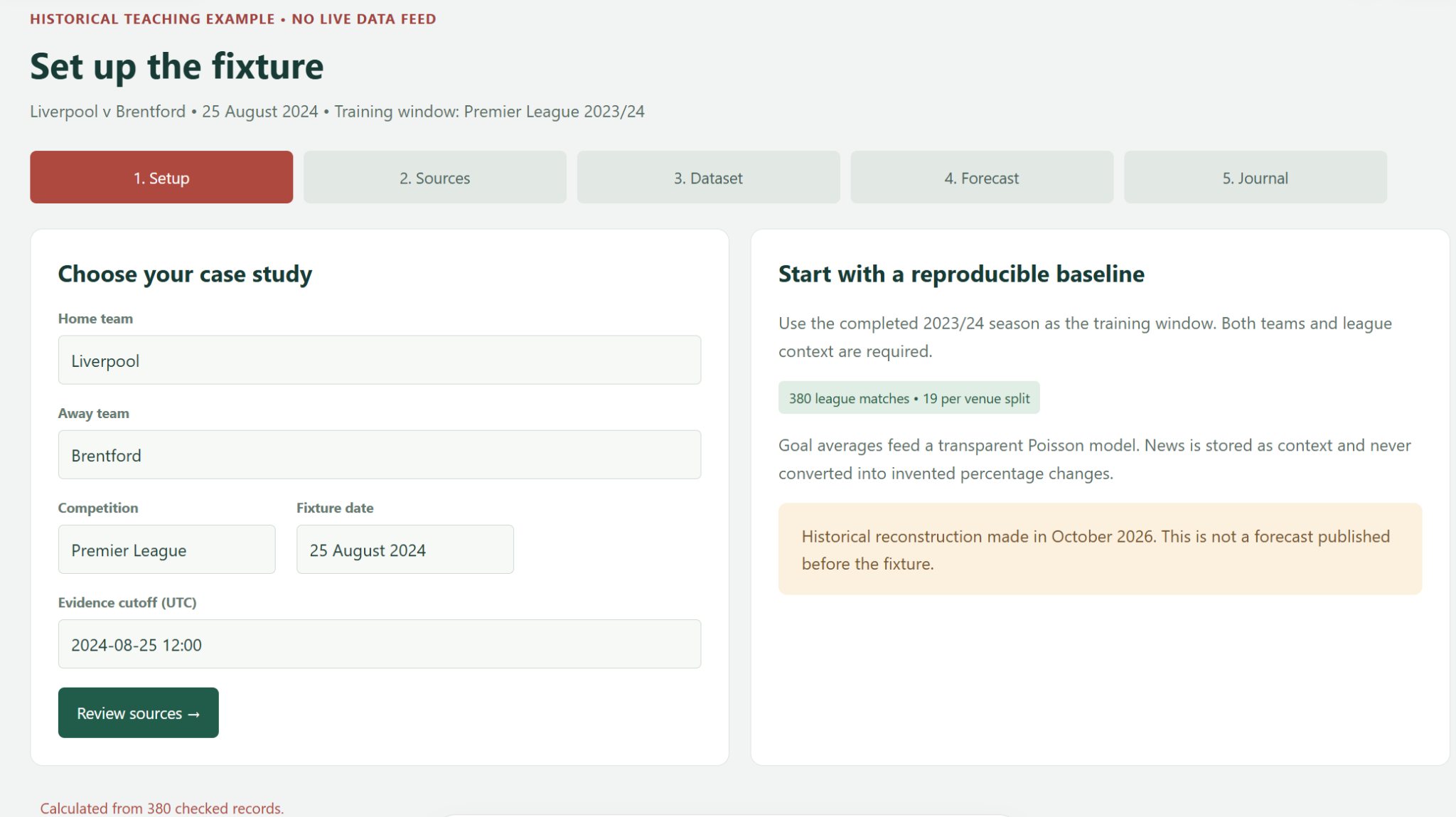
Odds compilers begin with data, not gut feeling. Historical results, expected goals, squad strength, home and away form, and head-to-head records all feed into a base model that estimates the raw probability of each outcome. Modern models often draw on expected goals, or xG, rather than results alone, since xG tends to be a more stable indicator of underlying team performance than the scoreline from any single match. A team can win 1-0 while being comprehensively outplayed, and a model built purely on results would miss that, while an xG-informed model captures it more accurately.
These base models are rarely built from scratch for every match. Instead, compilers maintain running ratings for every team in a league, updating them after each fixture based on the quality of performance rather than just the final score. This is closer to how chess ratings work than it might first appear: a team's rating rises or falls gradually, reflecting a longer run of form rather than any single result.
Adjusting for Team News and Context
Once a base probability exists, compilers layer in context the raw numbers can't capture, including injuries, suspensions, fixture congestion, and even travel distance for away trips. A key player missing can shift a team's odds noticeably, particularly if that player is central to how the side creates or prevents chances. This is why odds often move in the days leading up to kickoff as team news filters through, well before any money has been placed.
Fixture congestion is an underrated factor here too. A side playing its third match in seven days, especially with European travel involved, is statistically more likely to underperform its usual level, and compilers build that fatigue into their pricing even when the starting lineup looks strong on paper.
Converting Probability into Price
Once a bookmaker has a probability for each outcome, it's converted into odds format, whether decimal, fractional, or American, and then adjusted to build in the bookmaker's margin, often called the overround. This margin is how a bookmaker turns a profit across enough bets, and it means the odds on offer are always slightly less generous than the underlying probability would strictly suggest.
Punters who compare markets closely will notice this margin varies between bookmakers and between markets, which is part of why odds shopping and understanding a platform's terms, much like checking hititbet güncel giriş adresi before committing to a site, is a habit worth building early.
The size of the overround also tends to vary by market type. Straightforward markets like the match result usually carry a tighter margin than more exotic markets such as correct score or first goalscorer, where the sheer number of possible outcomes gives the bookmaker more room to build in a cushion without it being obvious to the casual bettor.
Why Odds Move Before Kickoff
Odds are never fixed from the moment a match is scheduled. As new information arrives, such as a confirmed lineup, a late injury, or weather affecting the pitch, the model gets updated and prices shift accordingly. Odds also move in response to where money is being placed. If a market is receiving heavy, one-sided action, a bookmaker may shorten the price to balance their liability, regardless of what their internal model still says the underlying probability is.
This balancing act is really a form of risk management rather than pure prediction. A bookmaker's goal isn't necessarily to price a match perfectly; it's to price it in a way that limits their exposure no matter which outcome actually happens. That distinction matters, because it means a price can move for reasons that have nothing to do with a team's actual chances of winning.
What Market Movement Actually Tells You
A shortening price doesn't always mean informed money is backing a likely winner; sometimes it simply reflects volume from casual bettors piling onto a popular favourite. Sharper movements closer to kickoff, especially ones that run against public sentiment, are generally viewed as more meaningful, since they're more likely to reflect insight from bettors with strong track records rather than crowd behaviour.
Experienced market watchers often pay closer attention to movement in the final hour or two before kickoff than to anything that happened days earlier, since that late window is when team news is fully confirmed and when sharper, better-informed money tends to enter the market.
Conclusion
In conclusion, football odds are the product of statistical modelling, real-world context, and constant recalibration in response to money and information. Reading odds movement as a signal, rather than just a number, gives you a much clearer picture of what's really happening in a market before a ball is even kicked.