World Cup: Remembering Mexico 1970 and 1986
Mexico will become the first country to stage matc

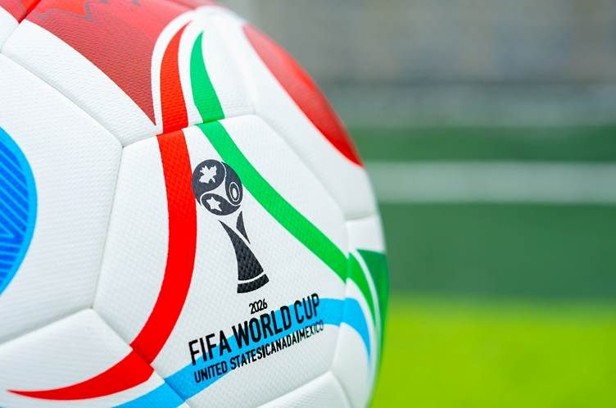
Mexico will become the first country to stage matches at three different World Cups as it co-hosts in 2026, having already welcomed the world in 1970 and 1986. Both of those tournaments produced some of the most memorable football the competition has seen, and gave us two of the finest team and individual performances in the sport's history.
Ahead of the tournament's return, interest in everything from squad news to FIFA World Cup match odds has brought those earlier Mexican summers back into focus. The Azteca, which staged both the 1970 and 1986 finals, remains one of the most famous grounds in the game.
In this article, we look back at the two World Cups Mexico has hosted and why they are still remembered so fondly.
Mexico 1970: Brazil's greatest team
The 1970 World Cup is remembered above all for the Brazil side that won it, a team often named the finest of all time. With Pele, Jairzinho, Rivelino, Tostao and captain Carlos Alberto, Brazil won all six of their matches and beat Italy 4-1 in the final at the Azteca. Jairzinho scored in every game, while Carlos Alberto's fourth goal in the final, the product of a flowing team move, is still shown as the perfect goal.
It was Brazil's third title, which allowed them to keep the Jules Rimet Trophy for good, and the last World Cup of Pele's career. This was also the first tournament broadcast in colour, which helped fix those yellow shirts in the global imagination. Italy had reached the final by beating West Germany 4-3 in a semi-final so wild it became known as the Game of the Century.
The tournament also produced Gordon Banks's save from a Pele header against Brazil, still rated by many as the finest stop ever made, and Pele's audacious attempt to lob the Czechoslovakia goalkeeper from inside his own half. Played in fierce heat and at altitude, the 1970 finals showed that the best football could still flourish in testing conditions.
Mexico 1986: Maradona's tournament
The 1986 World Cup came 16 years later, when Mexico stepped in to host again at short notice after Colombia withdrew. It became the stage for one man. Diego Maradona dragged Argentina to the title almost on his own, and his quarter-final against England produced two of the most famous goals in the sport's history within four minutes of each other.
The first was the Hand of God, punched in and missed by the officials. The second was the Goal of the Century, a run from inside his own half past most of the England team. Maradona was just as influential against Belgium in the semi-final before Argentina beat West Germany 3-2 in the final, Jorge Burruchaga settling it late after Germany had pulled back a two-goal deficit.
Played again in searing heat, with many games kicking off at midday to suit European television schedules, the 1986 tournament is also credited with introducing the Mexican wave to a worldwide audience. For all the focus on one player, it was a World Cup with a character all of its own.
Two summers that still matter
Both tournaments continue to shape how the World Cup is remembered, and they feed the build-up every four years, from documentaries and re-runs to the free bet offers that surround each new final. With Mexico hosting again in 2026, those summers of 1970 and 1986 are being revisited more than ever, and the standards set by Brazil and Maradona have rarely been matched since.