Bafana World Cup Draw Allows Chance to Right Wrongs Post-2010
Bafana Bafana face a defining opportunity at the 2

Bafana Bafana face a defining opportunity at the 2026 FIFA World Cup Bafana Bafana face a defining opportunity at the 2026 FIFA World Cup. Hugo Broos knows the path ahead demands discipline and unity.
South Africa (965.43) meet Mexico in the opening match of the tournament. Their group also features South Korea and the UEFA Playoff D winner.
The draw presents both risk and promise for Broos’ rejuvenated side. South Africa recognise that this World Cup offers a chance to reset long-standing issues. They understand how badly things unravelled after hosting the 2010 tournament despite initial optimism. Broos is determined to avoid any repeat outcome for a team that now values structure.
South Africa enter Group A with belief and purpose. They also do so with lessons carved from painful experience. Their youthful core reflects a deep shift in national priorities since that frustrating decline. Bafana seem ready for a challenge that once overwhelmed them.
A Fresh Start Under Hugo Broos
South Africa’s placement in Group A gives Broos a chance to cement his legacy. The coach rebuilt Bafana with discipline and clear standards. His approach forced accountability throughout the squad. Moreover, his emphasis on youth revived a stagnating pool of senior internationals.
The current philosophy contrasts sharply with the drift that followed 2010. South Africa relied heavily on established veterans and postponed renewal for too long. They soon struggled to qualify consistently for major tournaments. Broos understood that continuity required generational change rather than the recycling of ageing players.
This squad now reflects balance and hunger. Several players arrive with top-flight experience and technical maturity. Others bring raw energy and adaptability. South Africa value that diversity within a united environment. The coach demands cohesion, and the squad welcomes it.
Learning From 2010’s Lost Momentum
The 2010 World Cup promised lasting progress. South Africa generated excitement as hosts and competed with heart. They even recorded a famous win over France in their final group game. However, deeper issues lurked beneath the surface.
Youth development did not advance quickly enough. South Africa failed to promote young players at the rate required to sustain success. Structures remained inconsistent, and talent identification lacked long-term strategy. Therefore, the team regressed rather than built a foundation for growth.
Hugo Broos addressed these problems with a direct and pragmatic plan. He invested in players willing to meet international demands. He encouraged domestic clubs to trust younger talent. South Africa benefited from that change with improved consistency in competitive matches. They look fit, focused, and committed to clear tactical patterns.
Why Group A Offers a Platform for Redemption
South Africa know Mexico pose a significant test in the opening match. The fixture will draw global attention. Many expect a high-tempo encounter between contrasting styles. The pressure will be immense, yet the moment offers a chance for redemption.
Mexico rely on technical rhythm and aggressive pressing. South Africa prefer calculated transitions and compact structure. Broos will emphasise clarity and composposure. His team understand that a positive start could reshape their campaign.
South Korea add another layer of complexity. Their speed and discipline can trouble any opponent. South Africa must manage space and react intelligently to swift movement. The matchup demands mental sharpness and tactical discipline.
The winner of UEFA Playoff D brings unpredictability. Czechia provide physical strength and organised patterns. Denmark offer tactical intelligence and ball retention. Ireland add intensity and defensive resilience. North Macedonia deliver spirited counterattacks. Broos must prepare for each scenario with careful detail, as preparation will define their margin for progress.
A More United Bafana Bafana
Broos has instilled unity in a team once burdened by internal issues. South Africa now value responsibility and collective ambition. Players trust the system and the staff. They accept their roles and avoid unnecessary distractions.
Team spirit seemed inconsistent after 2010. South Africa often entered competitions without a clear sense of identity. Broos reversed that trend through a transparent merit-based approach. Every player earned selection rather than inherited it.
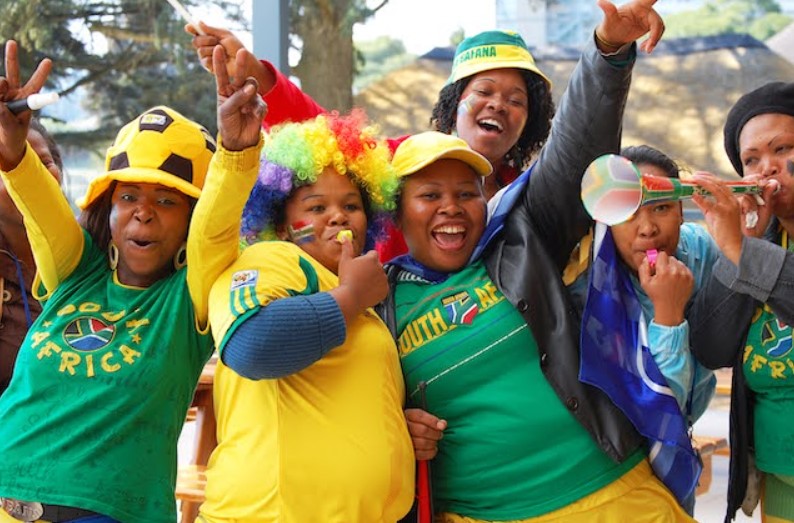
Unity extends beyond the pitch. Supporters feel reconnected with the national project. Interest from diaspora talent has increased. Domestic clubs cooperate more effectively with national programmes. This environment helps South Africa maintain competitive momentum.
The Importance of Handling Pressure
Pressure defined South Africa’s struggles after 2010. The expectations of a growing soccer nation weighed heavily. Results fluctuated, and the team lost confidence. Broos prepared his squad to handle the weight more constructively.
Players now approach difficult moments with calm decision-making. They remain organised even when overwhelmed by pace or pressure. South Africa benefit from structured defensive lines and measured passing phases. Their discipline could prove vital in Group A.
Fans also understand the stakes. They follow global tournaments closely and engage through platforms such as online sports betting. The sport attracts greater analysis and widespread debate. South Africa’s performances will generate interest across local and international markets.
The Path Forward at the 2026 FIFA World Cup
South Africa cannot control external expectations. They can only manage preparation and performance. Broos’ approach prioritises responsibility, execution, and adaptation. He understands that tournaments reward discipline more than reputation.
Group A offers a path filled with challenges and opportunity. Mexico, South Korea, and the UEFA playoff winner each present unique obstacles. South Africa must deliver consistency to progress. They must also demonstrate belief in their collective growth.
The opening match could set the tone. Victory would ignite national confidence. A draw would keep momentum steady. Even a defeat would not end the journey, provided the performance matches Broos’ standards. South Africa’s response to adversity will matter as much as their response to success.
Bafana Bafana know this tournament represents a symbolic return. They seek redemption for post-2010 decline. They also aim to show the world that South African soccer thrives again. Broos believes they are ready. The players believe it too.