How Modern Football is Shaping Fan Culture in the Digital Age
Football is no longer confined to packed stadiums.


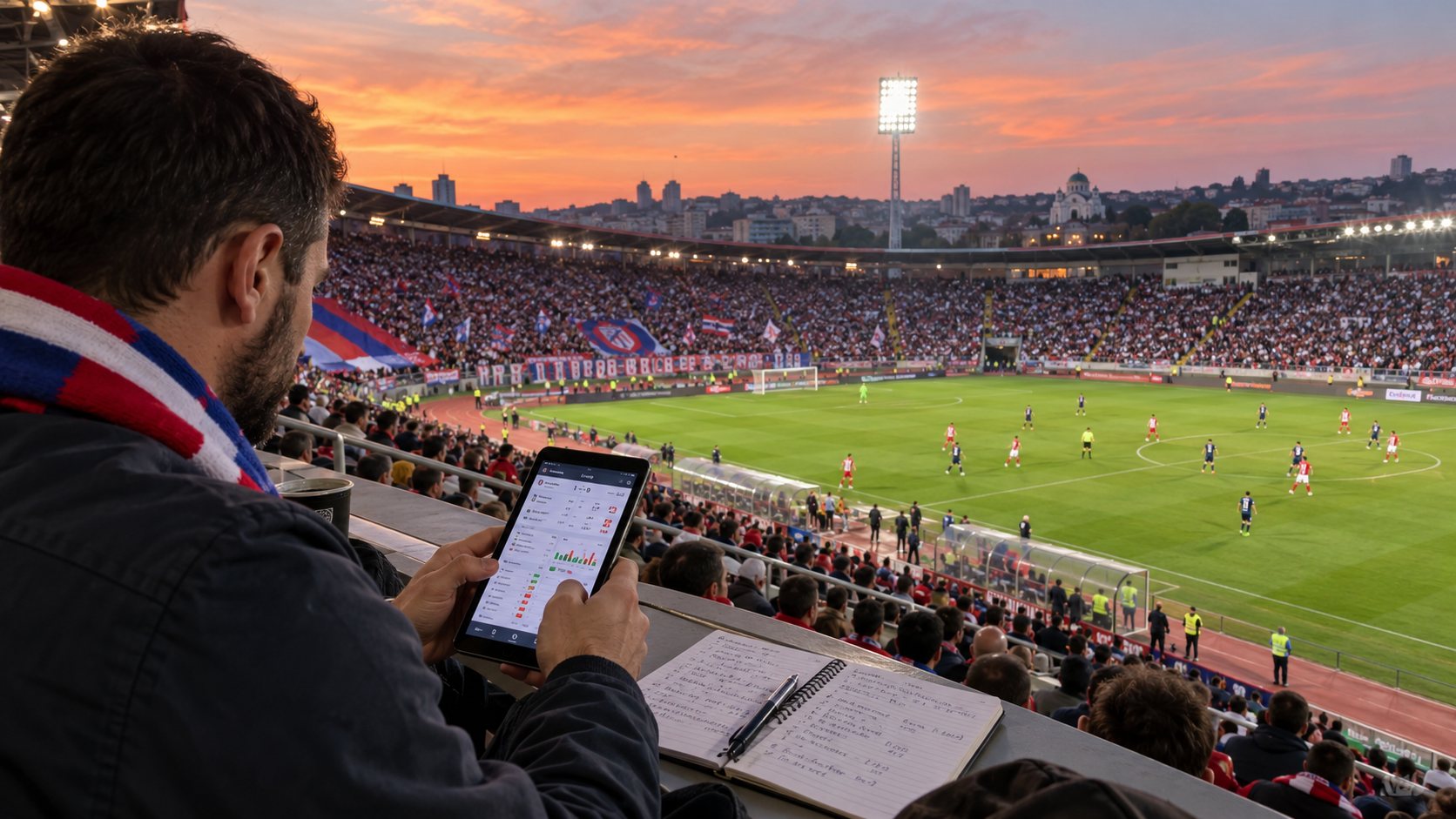
Football is no longer confined to packed stadiums. It now lives across screens, platforms, and global online communities. In the digital age, football transforms how fans connect with clubs, players, and each other, turning support into a constant, interactive experience.
Social media debates, live streaming, fantasy leagues, and fan-driven content now shape how supporters follow football. Technology has transformed loyalty, identity, and participation across generations. This evolution blends tradition with digital innovation, continuously reshaping how audiences worldwide connect with, experience, and celebrate the beautiful game.
In this article, we will examine how digital culture reshapes fandom, virtual communities, influencer stands, and football’s soul today.
How Football Has Moved From Matchdays to Everyday Digital Life
Football fandom has moved from a weekly ritual to a constant digital experience. Social feeds stream highlights, pressers, memes, debates, and transfer rumors in real time. Fans react instantly, co-creating narratives, as clubs as algorithms personalize content. The always-on flow turns fandom into an interactive conversation, not a scheduled event online.
Research published on ScienceDirect highlights that content quality has a stronger impact on fan engagement than posting frequency. The study also identified specific content format combinations that maximize interaction. Notably, Instagram emerged as the most effective platform for sustaining daily football engagement beyond matchday experiences.
Social Media’s Role in Creating Global Fan Communities
Social media has removed geographical barriers, connecting football fans across cultures instantly. Platforms like X, Instagram, YouTube, and TikTok enable shared reactions, celebrations, and tactical debates. Hashtags, fan pages, and live commentary turn matches into global conversations, creating a borderless community beyond local stadiums.
This massive digital reach is spearheaded by Spanish giants. According to Statista, as of June 2025, Real Madrid became the most-followed club globally with over 470 million followers. Rival Barcelona followed closely with 420 million accounts. These figures illustrate how traditional rivalries have evolved into massive, borderless digital communities.
Commercialization, Sponsorships, and Digital Advertising
Modern football media has seen rapid growth in branded content. Sponsors are embedded across highlights, social posts, behind-the-scenes videos, and influencer collaborations. Clubs and leagues act as digital publishers, blending sponsor messages with entertainment seamlessly.
This shift has expanded opportunities for betting sponsors. Their logos, odds graphics, and promotions appear across streams, apps, and social feeds. Targeted advertising uses fan data to personalize offers, making marketing more precise and harder to avoid.
As online sports betting grows more visible within football culture, concerns about exposure and responsibility continue to rise. Ongoing online gambling addiction lawsuit discussions have increased scrutiny of digital advertising strategies. These debates focus especially on protecting vulnerable fans and younger audiences from excessive promotional influence.
TorHoerman Law notes that the gambling addiction lawsuit claims platforms like FanDuel and DraftKings were designed to encourage betting. Victims report severe financial losses. Many cite mental health struggles and family disruption linked to “risk-free” marketing.
How Data and Apps Are Changing Fan Engagement
Digital tools have transformed how football fans engage with the sport. Club apps, streaming platforms, and algorithms deliver personalized highlights, alerts, and interactive features. Data-driven insights shape content strategies, while emotionally engaging moments encourage constant participation. It makes fandom immersive, personalized, and continuously reinforced through digital touchpoints.
According to a global IBM study released in August 2025, dedicated mobile sports apps have become central to modern fandom. The research confirms that 73% of surveyed fans now rely on these platforms to stay updated with real-time news and scores. This widespread usage underscores how digital tools have shifted from optional extras to essential components of daily football engagement.
Mental and Emotional Impact of Constant Football Consumption
Constant exposure to football through social media and nonstop news cycles profoundly impacts fans' emotional states. While fostering belonging, excessive consumption increases stress and emotional reactivity. Frequent controversies and losses further intensify mood swings, leading to significant emotional fatigue.
Algorithm-driven content intensifies fan reactions by highlighting dramatic moments and rival narratives. This repetition amplifies emotions, keeping supporters highly engaged. As football becomes an always-on experience, mindful consumption is essential for emotional well-being and a healthy connection to the game.
Research from AISTS shows streaming and social platforms track fan behavior across multiple touchpoints using cookies. Real-time engagement monitoring turns every interaction into a valuable, measurable data point. Consequently, constant commercial surveillance heightens emotional pressure as supporters face continuous targeted, high-stakes advertising.
Shaping a More Responsible Digital Fan Culture
Digital innovation expands football access, yet future fan culture requires responsible engagement. Platforms and immersive technologies offer unprecedented connectivity. However, they simultaneously increase exposure to excessive content, targeted advertising, and emotional overload.
Clubs must balance monetization with fan well-being through transparent data and ethical sponsorships. Prioritizing responsibility alongside accessibility fosters loyal communities. This approach protects supporters from digital fatigue and long-term harm in the modern era.
Frequently Asked Questions
Are younger fans less attached to clubs than previous generations?
Younger fans display more flexible loyalty, often connecting with players, highlights, and digital communities instead of one club. Global leagues, constant transfers, and easy access shape fluid support. Research suggests Gen Z values entertainment and social values, while older fans remain tradition- and location-oriented.
Can digital fan culture impact player performance?
Digital fan culture can affect player performance in positive and negative ways. Online support enhances confidence and motivation, while criticism and abuse increase pressure and stress. Research shows intense social media feedback can disrupt focus, decision-making, and on-field consistency.
Will digital fan tokens and memberships replace traditional fan clubs?
Digital fan tokens and memberships are unlikely to fully replace traditional fan clubs, but they will reshape them. Tokens offer global access, exclusive content, and voting features, while traditional clubs provide local identity and community. The future of fandom will likely blend digital benefits with in-person traditions.
Redefining the Beautiful Game in a Digital World
Modern football has evolved far beyond the pitch. Constant connectivity, data-driven engagement, and global digital communities now shape fan culture. Technology has made the game more accessible, interactive, and immersive worldwide. However, it has also introduced challenges tied to commercialization, emotional well-being, and responsible consumption.
As clubs, platforms, and fans adapt together, digital transformation can strengthen connections, deepen loyalty, and keep the beautiful game meaningful online.