Training the Modern Footballer: How Science, Strategy, and Smart Preparation Shape Today’s Game
Football is no longer a sport where raw talent alo


Football is no longer a sport where raw talent alone guarantees success.
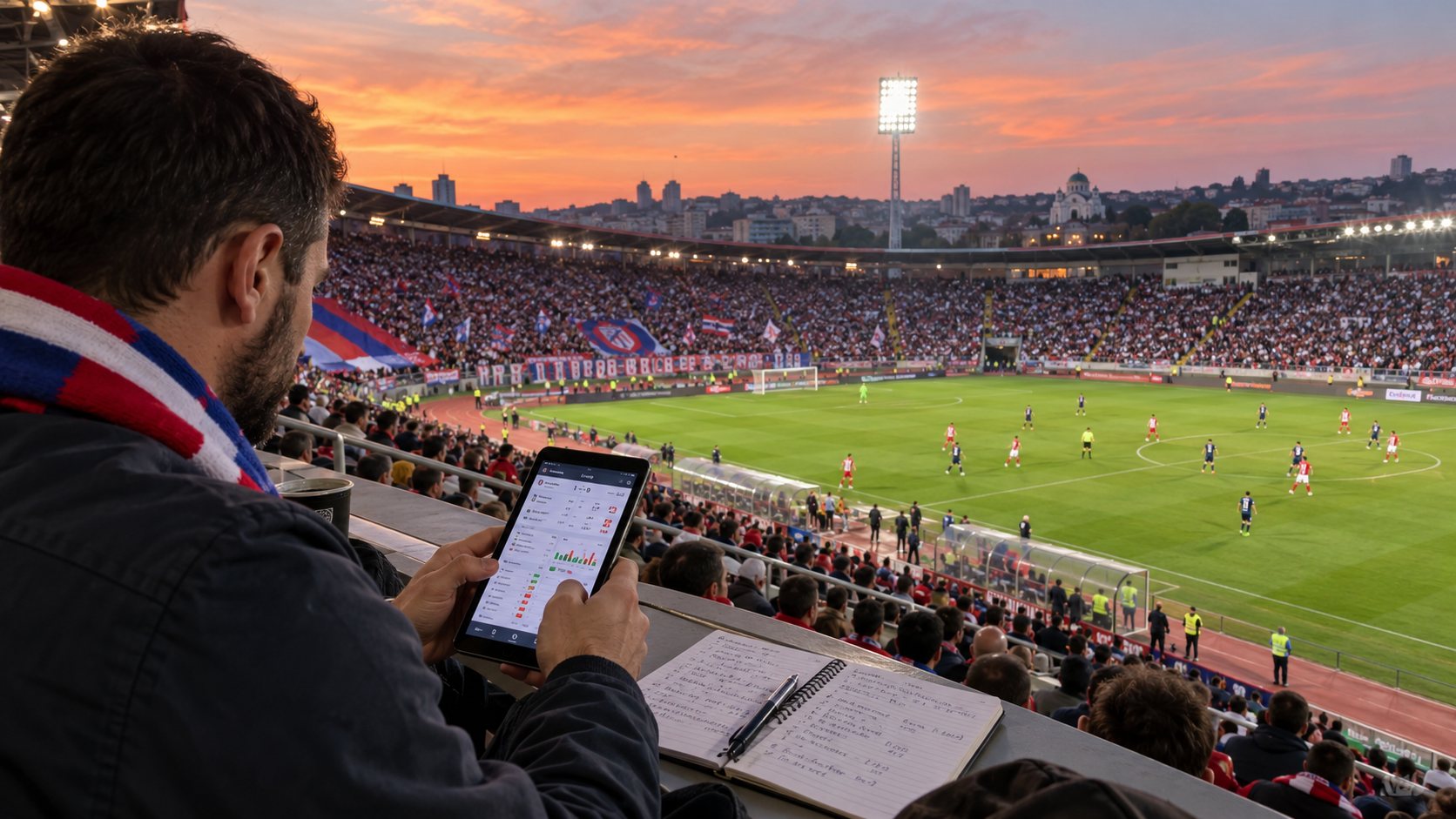
Football is no longer a sport where raw talent alone guarantees success. The modern game is fast, physical, tactical, and mentally demanding - players cover more distance, sprint more often, and make more high-pressure decisions than at any point in football’s history. To keep up, training has evolved into carefully structured programs built on sports science, biomechanics, nutrition, video analytics, AI-assisted tactics, and psychological preparation. Interestingly, many of the data points used in football training - such as xG, passing networks, sprint volume, or tactical heat maps - also inform analytical models used by responsible, regulated prediction platforms; services like bizbet apply similar data-driven techniques to power insights, though the objectives of performance analysis and betting remain distinct.
Football today is played not only on the pitch, but also in the lab, the analysis room, and the training ground.
Physical Conditioning: The Foundation of a Modern Player
Strength and Conditioning for Football, Not Bodybuilding
Footballers train for performance, not aesthetics. Strength programs are now customized by:
- position
- age
- injury history
- play style
For example:
- Defenders work on upper-body strength to win duels.
- Midfielders focus on core stability and endurance.
- Forwards train explosive movements for sprints and finishes.
Modern clubs use:
- force plates to track power output
- velocity-based training systems
- eccentric strength machines to prevent muscle tears
Training is no longer “hard” - it’s smart.
Speed and Agility: Where Matches Are Won
In today’s football, the ability to accelerate, stop, and change direction within milliseconds is crucial.
Players go through:
- resisted and assisted sprint drills
- multi-directional agility work
- plyometric sequences
- reactive cone drills
- sprint repetition cycles under fatigue
GPS vests track:
- sprint count
- maximum velocity
- high-intensity runs
- total distance covered
These metrics directly influence a player’s training load and match readiness.
Tactical Training: Teaching Players How to Think the Game
Small-Sided Games Create Big Football Intelligence
Small-sided drills (3v3, 4v4, 5v5) develop:
- spatial awareness
- quick passing
- decision-making
- pressing triggers
- composure under pressure
These drills simulate real-match intensity but in a condensed environment that accelerates tactical learning.
Video Analysis Has Become Essential
Every training session and match is recorded. Analysts create reports on:
- positional rotations
- pressing efficiency
- passing lanes
- build-up patterns
- defensive compactness
Players review these clips to understand:
- where they should be
- how they can improve
- what the opponent does consistently
This analytical side of football mirrors some of the breakdowns seen in statistical platforms or even sports betting previews, where data trends help explain likely scenarios - though in training, the purpose is development, not prediction.
Sports Science: The Invisible Engine Behind Every Team
Monitoring Workload to Prevent Injuries
Injuries can destroy a season, so clubs rely on sports science to minimize risk.
- heart-rate variability monitors
- hydration testing
- neuromuscular fatigue assessments
- sleep tracking
- tendon-load measurements
If a player is close to overload, their session is modified immediately. The priority is longevity.
Recovery Is as Important as the Training Itself
Players now recover using:
- cryotherapy chambers
- ice baths
- hydrotherapy pools
- pneumatic compression boots
- personalized stretching routines
- massage protocols
Recovery is scheduled just like regular training. Elite players treat their bodies like high-performance engines - optimized every day.
Nutrition: Fueling Consistent Peak Performance
Football nutrition is no longer a general guideline - it’s a strict science.
Players receive:
- tailored macronutrient plans
- pre-match energy strategies
- post-match replenishment formulas
- hydration schedules
- vitamin and mineral optimization
Proper nutrition improves:
- stamina
- speed
- recovery
- muscle growth
- cognitive clarity
Clubs even use blood tests to measure nutrient absorption.
Mental Preparation: The New Competitive Edge
Football is mental warfare as much as physical.
Psychological training now includes:
- visualization techniques
- confidence routines
- emotional regulation
- leadership development
- mindfulness sessions
- concentration exercises
Players work with sports psychologists to handle:
- pressure
- mistakes
- fan criticism
- competition for positions
- media attention
A strong mindset often separates good players from exceptional ones.
Technology Is Transforming Training
AI Tactical Models
AI tools help coaches:
- predict opponent movement
- optimize passing patterns
- adjust formations
- analyze weak zones
- tailor training for upcoming matches
GPS and Motion Sensors
These track biomechanics such as:
- stride length
- acceleration curve
- joint stress
- asymmetry
This helps prevent injuries and maximize efficiency.
Virtual Reality (VR) Training
With VR, players practice:
- scanning behavior
- decision-making
- tactical sequences
- reaction time
It’s like replaying the match - before the match.
The Link Between Training Data and Football Culture
Modern fans engage with football differently than before. They follow:
- xG charts
- expected assists
- pressing intensity maps
- sprint statistics
- heat maps
This analytical fan culture influences fantasy football, prediction games, podcasts, and even the data models presented in regulated sports betting - where statistical accuracy is valued over randomness. The same metrics guiding player development help shape how fans understand and enjoy the game.
Conclusion: The Future of Football Training Is Intelligence
Football training in 2026 is a combination of:
- science
- strategy
- technology
- discipline
- mental strength
- tactical education
The modern footballer is not just an athlete - but a student of the game, a product of data, and a professional committed to constant improvement.
As clubs continue to embrace analytics, AI, and sports science, training will only become more advanced. The beautiful game will grow faster, smarter, and more demanding.
But at its core, football still remains what it has always been - a sport driven by passion, teamwork, and the pursuit of excellence.