The New Generation of Football: How Youth Development, Global Scouting, and Data Are Redefining the Sport
Football has always been a sport built on passion,


Football has always been a sport built on passion, skill, and raw talent. But the pathway to becoming a world-class player has changed dramatically in the past decade. Today's rising stars are not discovered by chance - they are scouted younger, trained smarter, and developed scientifically. From Europe to Asia, football academies have become high-performance laboratories where the next generation of players sharpen their technique, mindset, and physical strength. And as the ecosystem becomes increasingly data-driven, industries adjacent to football - from analytics companies to even neutral, regulated sports-betting platforms like 1xbet - draw insights from the same trends reshaping the modern game. The evolution of talent development is redefining football as we know it.
Youth Academies: The Core of Modern Football
Training the Future from Age 8
Most elite footballers today start their journey at football academies before they turn 10. Clubs like Barcelona’s La Masia, Chelsea’s Cobham, Sporting CP, and Ajax’s De Toekomst are legendary for producing world-class talent year after year.
These academies now rely on:
- advanced sports science
- tactical education from young ages
- psychological resilience programs
- personalized nutrition plans
- data-based performance assessments
The goal is not just to build good players, but complete athletes with tactical intelligence, mental discipline, and versatile skill sets.
Global Scouting Networks: Football Has No Borders
Football scouting has become a globalized operation. With digital platforms, AI tools, and live data feeds, clubs now monitor thousands of young prospects across dozens of countries.
What modern scouts evaluate:
- technical consistency
- decision-making speed
- injury resilience
- adaptability under pressure
- physical development curves
Clubs are now discovering players from markets that were once overlooked — Southeast Asia, North America, West Africa, and even Oceania.
Global scouting is also influenced by data-driven predictive models, similar to the analytical systems sometimes used in sports betting and fantasy sports platforms. While the purposes differ completely, both rely on algorithmic insights to evaluate potential outcomes and long-term performance trends.
Sports Science: Football’s Invisible Game-Changer
Behind every modern superstar stands a team of scientists, analysts, and performance specialists. Sports science has become foundational in football development.
Key sports science tools used today:
- GPS trackers measuring sprint bursts and total distance
- heart-rate variability monitoring
- fatigue and injury risk algorithms
- biomechanics analysis
- AI-driven tactical simulations
In major academies, players are taught to understand their bodies and workload. Coaches now design sessions that maximize growth while reducing injury risks - a critical change in a sport where careers can be altered by a single injury.
Analytics in Football: From Big Data to Big Talent
Football analytics has exploded in the past decade. Once used only by top clubs, data is now central to:
- scouting
- training plans
- match strategies
- youth development pathways
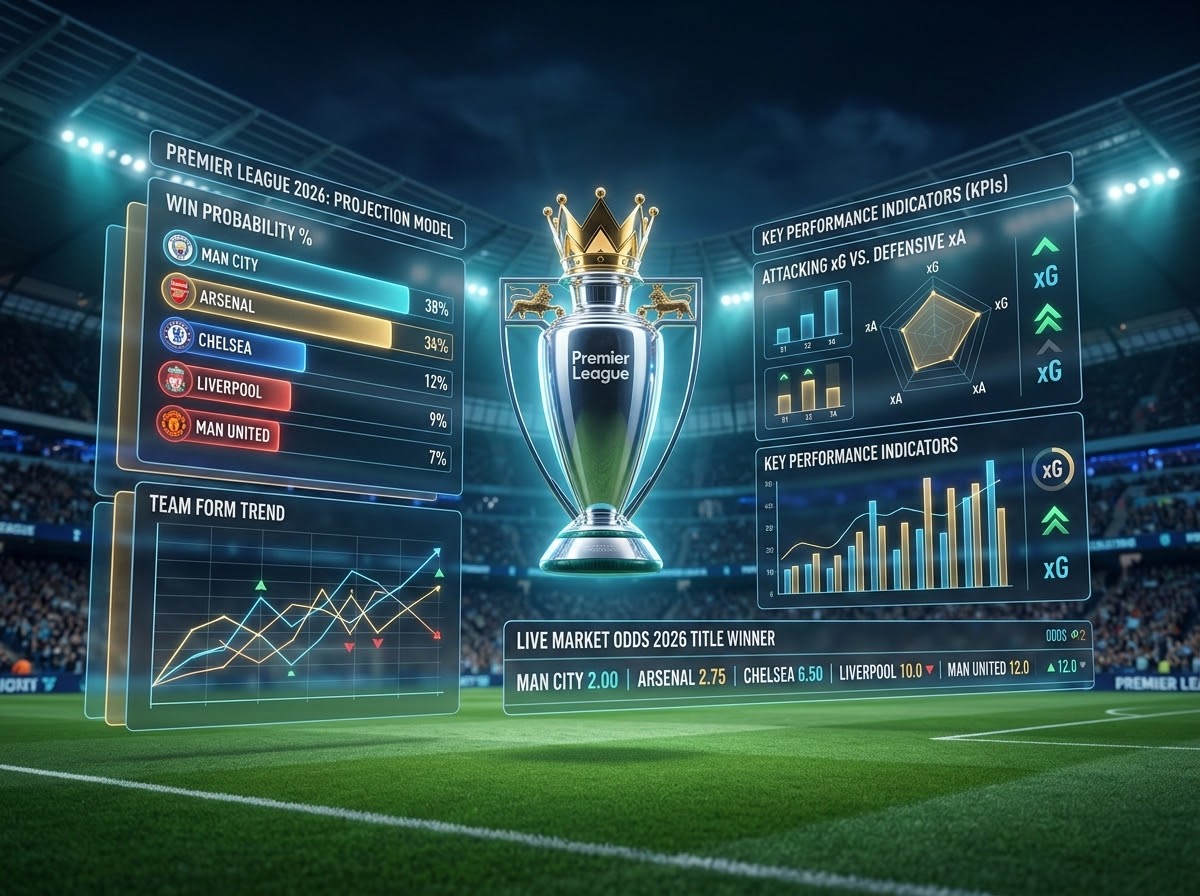
Metrics like xG (expected goals), progressive carries, pressing efficiency, and shot-creation actions help clubs evaluate young players with remarkable precision.
This analytical culture has also shaped fan behavior. Many supporters today follow football with a statistical mindset, similar to how predictions are made in fantasy leagues or regulated sports betting markets - not for wagering itself, but to better understand patterns that influence match results.
The Personality Factor: Footballers Are Built, Not Born
In the modern era, talent alone is not enough. Clubs now prioritize:
- emotional maturity
- leadership qualities
- focus under pressure
- coachability
- media intelligence
Psychologists and mental coaches work directly with academy players to help them create a strong identity and handle the spotlight.
With social media playing a major role in player branding, young athletes are trained to manage public attention responsibly.
The Rise of Non-European Talent: Football’s Global Shift
For decades, European academies dominated football talent development. But in recent years, other regions have accelerated dramatically.
Examples:
- Japan and South Korea now produce technically high-level midfielders and full-backs.
- The United States has built a robust youth pipeline, feeding MLS and European leagues.
- Africa remains an engine of raw talent, now supported by improved local academies.
- Indonesia, Vietnam, and Thailand are investing heavily in grassroots training.
This global expansion of football education is reshaping the player market. Transfer fees continue to rise, and clubs compete fiercely for the next generational talent.
The Digital Generation: Football Meets Technology
Modern players grew up with:
- YouTube highlights
- tactical breakdown videos
- online coaching platforms
- VR training simulations
- football gaming culture (FIFA, eFootball)
Football IQ today is shaped by digital learning as much as field training.
These young athletes have access to limitless resources, and many study match footage the same way analysts do. Fans, too, have become more informed - engaging in stats-based debates, tactical discussions, and even prediction games on legal sports entertainment platforms that reflect modern data culture.
The Business Behind Talent Development
Football academies have become lucrative investments. Developing a top player can be more profitable than buying one. Clubs realize that:
- youth development reduces transfer expenditure
- homegrown players boost club identity
- academy graduates have higher resale value
- fans connect emotionally with local talent
Elite clubs now treat academies as strategic assets, supported by global scouting networks, in-house analytics teams, and partnerships with technology providers.
In a similar ecosystem, regulated industries like sports analytics and betting have adopted strict compliance and transparency standards, reflecting the growing professionalism seen in modern football’s business model.
Fans and the Future: A Smarter Football Culture
Football fans are smarter than ever. They follow:
- tactical trends
- scouting reports
- academy rankings
- performance metrics
- transfer valuations
This new generation of fans treats football as both entertainment and intellectual challenge.
Fantasy leagues, simulation apps, and neutral prediction platforms (including betting platforms used responsibly by adults) have contributed to a culture where fans study the game deeply rather than just watching casually.
Conclusion: Football’s Future Belongs to the Prepared
The future of football is built on preparation, intelligence, and global connectivity.
From youth academies to sports science labs and advanced analytics rooms, every layer of the modern football machine works together to create a new generation of stars.
Football is no longer just a sport played on grass. It’s a global development system powered by data, science, and human passion.
And as the world becomes more connected, one truth remains unchanged — the love of the game continues to unite fans, players, and cultures across the globe.