How to Start a Football Career: The Complete Guide for Aspiring Players
Football has never been more global, competitive,


Introduction: The Modern Path to Becoming a Footballer
Football has never been more global, competitive, or scientifically advanced.
The dream of becoming a professional player is still fueled by passion, backyard matches, and childhood idols - but the path itself has changed dramatically.
In 2026, starting a football career means entering a world shaped by:
- data-driven training
- global scouting networks
- sports science
- mental performance coaching
- tactical education
- and an analytical understanding of the game
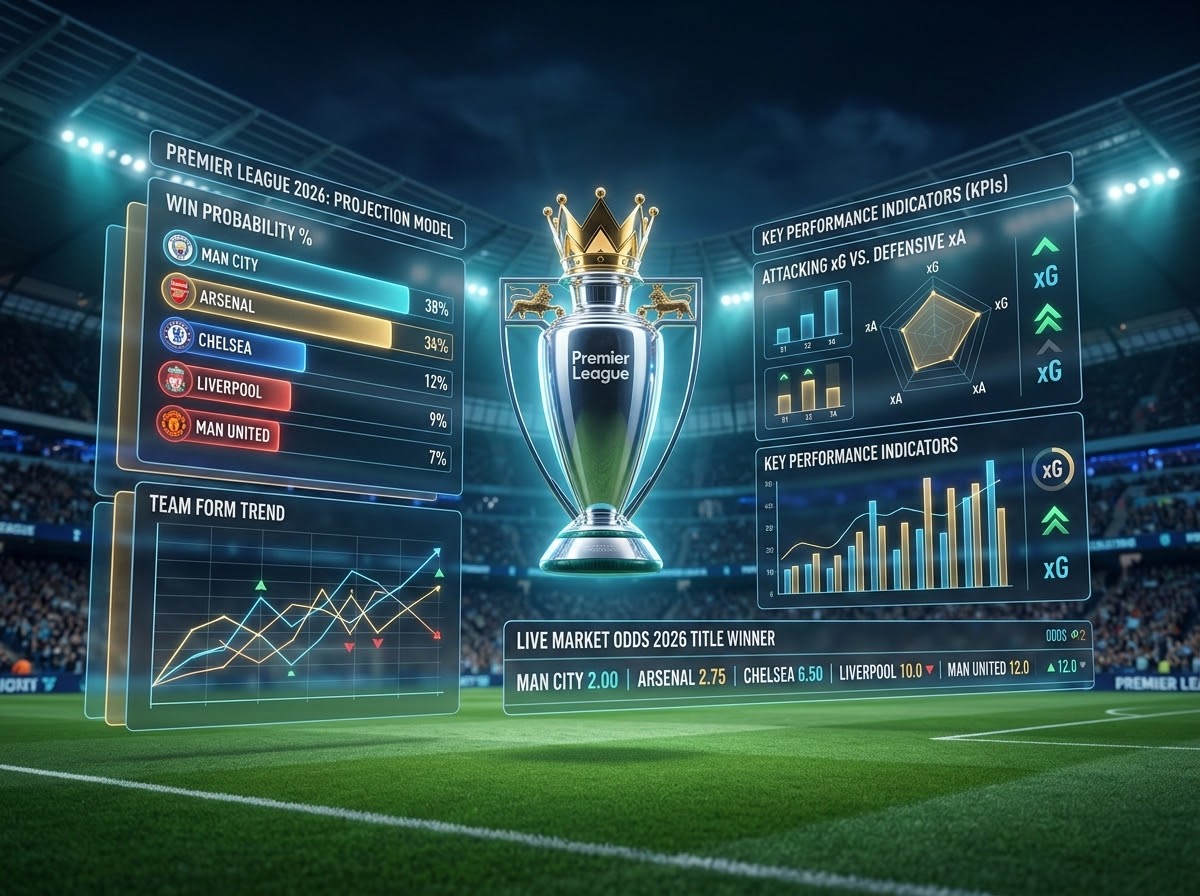
Interestingly, many of the same performance indicators used by coaches and scouts - such as xG, sprint repetitions, heat maps, and passing networks - also appear in neutral statistical tools and regulated sports-betting platforms. These tools don’t exist to influence careers, but they show just how deeply analytics have penetrated football culture. Platforms like bizbet surface similar datasets for fans and analysts, though their purpose is distinct from player development and their services operate under licensing and responsible-use rules. To succeed today, young players must approach their journey with structure and intelligence. This article breaks down - in detail - how to get started.
1. Start Early, but Build a Strong Foundation - Not Just Technique
Most professionals begin around ages 5–10, but the real key is building foundational football literacy. Early training shouldn’t be about becoming the best - it should be about developing habits the best players rely on.
In early years, young players should focus on:
- Ball familiarity: developing comfort with the ball through juggling, dribbling, and repetitive touches.
- Movement coordination: learning how to control the body while sprinting, stopping, or changing direction.
- Creativity: experimenting freely without fear of mistakes, which encourages improvisation - a skill scouts value highly.
- Right and left foot ability: using both feet from a young age prevents weaknesses later in a professional career.
Small-sided games (3v3, 5v5) are extremely effective, because they force constant involvement. Players defend, attack, pass, dribble, and shoot repeatedly. Unlike big-pitch games, small-sided matches teach:
- scanning and awareness
- quick passing
- finding space
- reacting instantly under pressure
This early phase is about learning how football works - not mastering tactics or strength.
2. Join a Local Club - The First Real Step Toward a Career
Playing informally builds passion, but joining a club builds structure. Local clubs create the routine and discipline essential for any professional player.
A good club teaches:
- positional roles and responsibilities
- teamwork principles
- pressing and defending as a unit
- basic tactical concepts
- match behavior and discipline
At this stage, young players begin to understand:
- why certain passes matter
- when to attack versus when to retain possession
- how to transition between defense and attack
- how positioning affects individual performance
Coaches also identify natural tendencies:
- players with composure often become midfielders
- aggressive players become defenders
- goal-oriented players evolve into attackers
- fast, agile players drift toward wide positions
This is where a real football journey begins.
3. Train Intelligently: Technique, Fitness, Decision-Making, and Football IQ
Football in 2026 demands complete athletes. Technical ability alone is no longer enough. Players must train according to modern standards used in academies around the world.
Technical Development
Technical drills should be varied and purposeful:
- tight-space dribbling
- quick passing combinations
- first-touch under pressure
- weak-foot development
- finishing from different angles
Players should train with both structured drills and free-play environments, because creativity is learned through experimentation.
Football Fitness
Football fitness isn’t bodybuilding. It includes:
- explosive sprint work
- agility and change-of-direction drills
- balance and coordination exercises
- injury-prevention routines (hips, hamstrings, core)
- endurance training tailored to match demands
Modern footballers cover 10–12 km per match, with 30–50 high-intensity sprints. Without targeted fitness training, even talented players struggle to compete.
Tactical Intelligence
Young players must understand:
- pressing triggers
- defensive shape
- positional rotations
- transitional moments
- when to play fast vs. slow
- how to manipulate space
This is where watching football intelligently helps - not as entertainment, but as a study tool.
It’s also why modern fan culture leans toward analytics. Some people follow football with the same statistical mindset used by fantasy platforms or regulated sports betting previews - analyzing patterns, trends, and probabilities. Players can benefit from adopting the same analytical lens.
4. Perform Well in Matches - This Is Where Scouts Notice You
Training builds quality, but matches reveal character.
Scouts look for:
- consistency under pressure
- decision-making, not just flair
- tactical discipline
- communication and leadership
- movement without the ball
- ability to adapt during a match
- mental resilience after mistakes
A player doesn’t need to score every match to stand out. Scouts respect players who:
- maintain tempo
- help organize teammates
- recover possession
- find pockets of space
- stay composed in tight situations
- make the right decision at the right moment
Football intelligence is often valued more highly than raw athleticism.
5. Attend Trials and Football Camps - Exposure Is Key
Trials give players opportunities to enter professional environments. These events test:
- speed
- technique
- tactical understanding
- teamwork
- adaptability
To succeed at trials, young players must:
- arrive in peak physical condition
- control nerves
- play simply and efficiently
- avoid forcing unnecessary skills
- demonstrate teamwork, not just personal talent
Highlight videos, performance statistics, and coach recommendations also help create visibility.
6. Join a Professional Youth Academy - The Gateway to a Career
Youth academies provide everything needed to become a professional player. Academies offer:
- structured daily training
- sports science support
- nutrition programs
- psychological coaching
- video analysis
- competitive youth leagues
- direct pathways to senior teams
Players experience:
- tactical classroom sessions
- gym programs
- recovery routines
- advanced technical sessions
- data-driven fitness monitoring
Top academies also use AI analytics to evaluate patterns such as:
- sprint degradation over a match
- positional heat maps
- pressing efficiency
Football is now a sport of data and precision - and academies reflect this reality.
7. Build Football IQ Through Analysis, Not Guesswork
Studying football is essential. Players should analyze:
- how professional players in their position move
- how successful teams structure their play
- why certain tactics work
- how transitions create advantage
Watching games with purpose develops instincts faster than training alone.
Interestingly, this analytical approach resembles the data models used in sports broadcasting, scouting platforms, and even neutral sports betting analysis - where predictions rely on patterns and probabilities, not guesswork.
Understanding football deeply helps players see the game two steps ahead.
8. Develop Mental Strength - The Decisive Factor in a Career
A football career includes:
- rejection
- competition for places
- injuries
- criticism
- pressure from coaches
- physical exhaustion
Players must train their minds as much as their bodies.
Mental preparation includes:
- visualization
- positive self-talk
- controlling emotions
- learning from mistakes without collapsing mentally
- staying focused during setbacks
Many careers fail not because of talent - but because of psychology.
9. Maintain Physical Health and Professional Habits
Professional habits create professional players.
Young players should:
- eat balanced meals
- hydrate consistently
- stretch daily
- avoid excessive screen time
- sleep 8+ hours
- perform injury-prevention routines regularly
Players who treat their bodies like tools of their profession are far more likely to succeed.
Conclusion: The Dream Is Possible - If You Build It Smartly
Starting a football career is not a mystery. It’s a structured process built on:
- early development
- strong fundamentals
- intelligent training
- match performance
- exposure to scouts
- mental resilience
- and a deep understanding of modern football
The journey is long, intense, and filled with challenges - but entirely achievable for those who approach it with discipline and purpose.
Football today rewards not only talent, but preparation. If you combine passion with science, intelligence, and persistence, the dream of a football career becomes far more than a possibility - it becomes a path.