How Analytics Are Changing Modern Football: From Match Statistics To Global Fan Attention
Modern football has long ceased to be just a ninet


Modern football has long ceased to be just a ninety-minute game. Today, it is a system of data, trends, and behavioral patterns, in which every match leaves a «digital footprint». Analytics has become a tool not only for coaches and scouts, but also for journalists and fans who want to gain a deeper understanding of the game.
From Goals And Shots To Metrics That Explain The Game
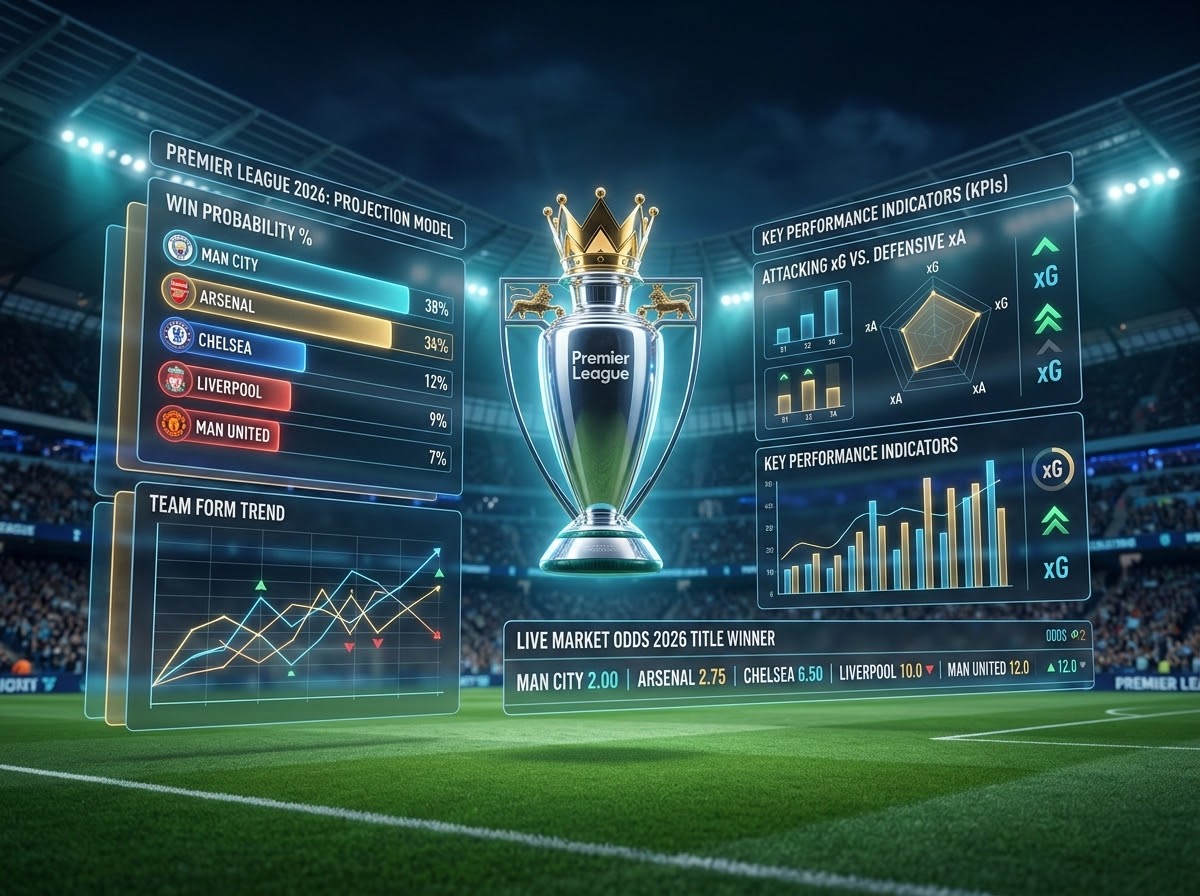
Football statistics have evolved from simply counting goals, shots, and possession to more complex metrics, such as xG, PPDA, progressive passes, passes into the penalty area, and zonal control of the field. Thanks to such metrics, it is easier to answer the question «why did it happen», not just «what happened».
For example, a team can lose by a score, but create more high-quality chances, and this will be reflected in xG. Or vice versa: win thanks to two shots, but fail the game in terms of structure. This is why an analytical approach makes conclusions more objective and useful for understanding the match.
Analytics In Forecasts: Not The Score, But Probabilities And Scenarios
In football analysis, predictions are not about guessing the exact score, but about assessing likely scenarios: who will control the ball, which flanks will be key, how the team reacts to pressure, and what will change after the first goal.
Data from many leagues allows you to compare styles and pace of play, even if the teams come from different football cultures. It is especially interesting to see how regional styles manifest themselves in the numbers.
Football As Global Content: Data For Fans Around The World
The globalization of football has also changed the way content is consumed. Fans from Africa, Asia, and South America are actively following European leagues, while local championships are receiving more international attention.
Therefore, resources that combine statistics, analytics, and match reviews are becoming the centers of football discussion: they translate emotions into an understandable «language of numbers».
In this environment, there are also various digital services that are present in the football information field in one way or another. In some regions, platforms like 1xBet Tanzania are mentioned as part of a wider market around matches, statistics, and audience attention.
At the same time, data and analytics themselves remain a neutral tool: their value lies in how they are used – to explain the game, prepare materials, or assess trends.
What Is Most Often Analyzed Before A Match?
The most popular parameters of pre-match analysis are usually reduced to several blocks, and each of them affects the final understanding of how the game can turn out:
- Form and stability: series of results, quality of opponents, difference between home and away matches.
- Playing style: intensity of pressing, speed of attacks, proportion of long passes, playing through the wings, or the center.
- Chance creation: xG per match, number of shots from dangerous zones, «production» of chances from sets.
- Defense: xG allowed, number of shots allowed in the penalty area, mistakes under pressure.
- Personnel factors: injuries, rotation, fatigue after a tight calendar, and the role of the leader in the structure of the game.
Such a set does not provide a «prophecy», but a framework within which the match can be read even after the final whistle, with a clear understanding of the reasons.